Category Archives: Photos

One building, two grand openings… exactly 30 years apart

Photo: Don Knieriem

Today marked the long-awaited grand opening of the new LA Fitness at Laurel Shopping Center.

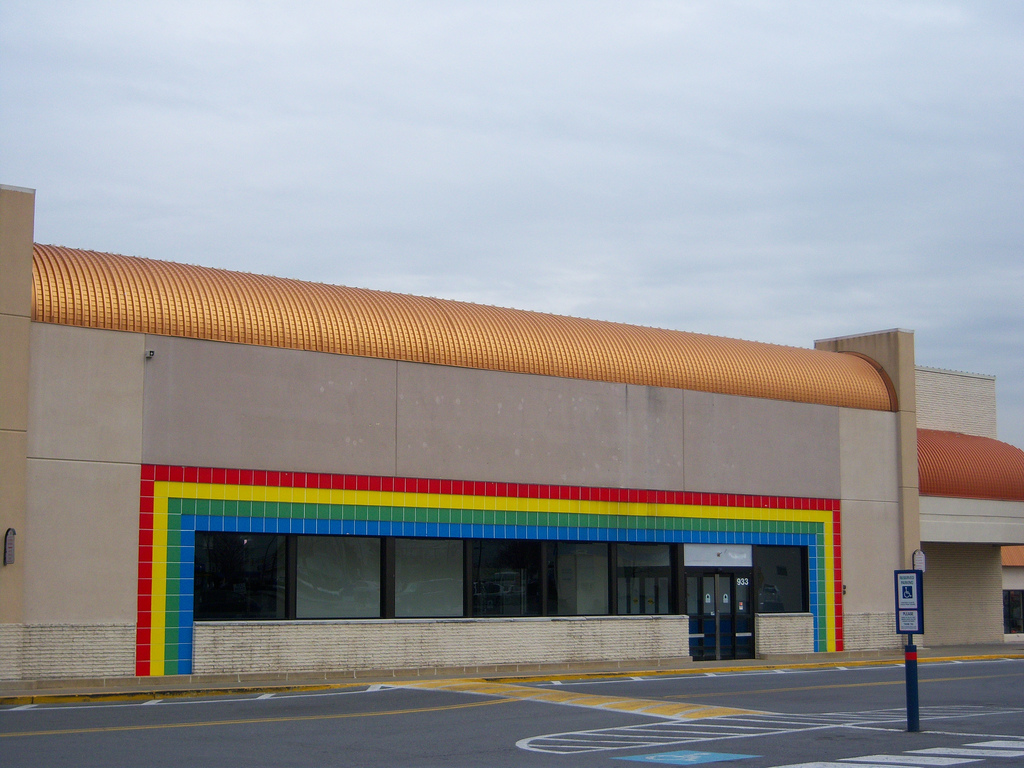
The new fitness mega-center occupies the site of the original Hecht Co. building; but with its massive architectural makeover, it bears little to no resemblance to Hecht’s—or to Toys R Us, which most recently left a lasting label scar on the building that once also housed Woolco and Jamesway.

Photo: Benoit6 (Flickr)

And speaking of Woolco, it was actually 30 years ago this very day when it had its grand opening in the very same building—March 31, 1982.

Let’s hope for the sake of LA Fitness (and more importantly, for the city of Laurel) that this new tenant proves to have considerably more long-term success. Woolco, unfortunately, went on to occupy the building for just one year before closing. But then again, they never had a swimming pool, basketball courts, and tons of gym equipment.

Tagged , , , , , , , , , ,

American National Bank: Demolition Update

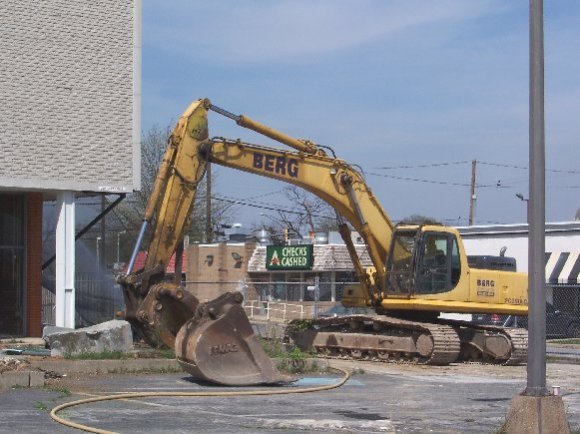
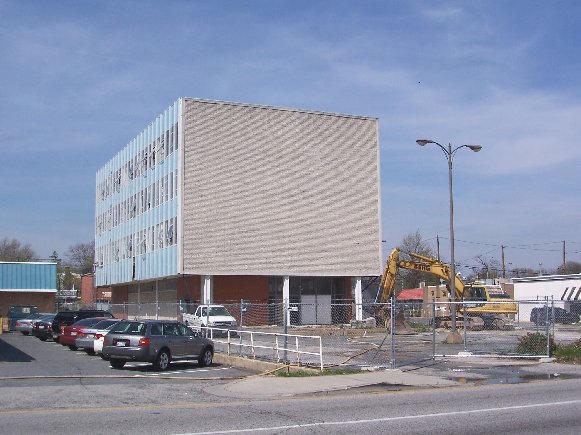
The old blue building just north of Gorman Plaza is finally coming down.

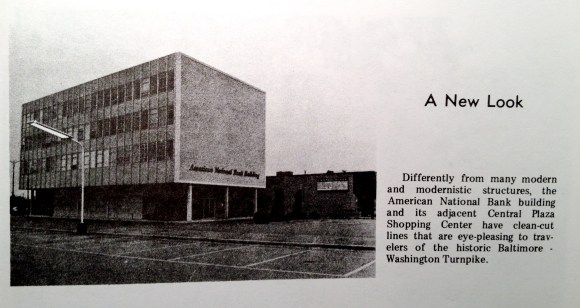
Originally the American National Bank building, it’s been vacant and doomed for some time now; but last week, demolition began in earnest—starting from the inside out, apparently. Thanks to John Floyd II for these photos that document the beginning of the end, which will likely happen this week.

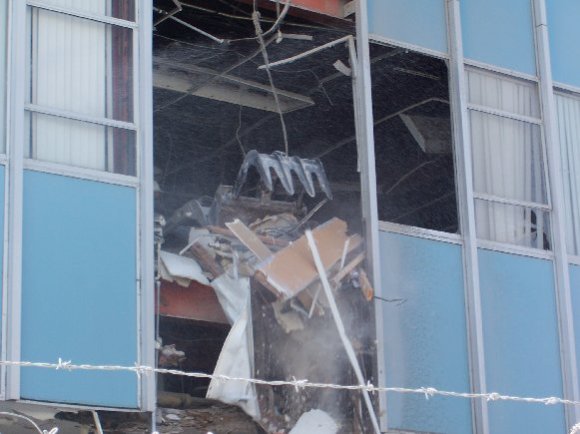
Photos: J. D. Floyd II, Royal Blue Ltd. archives

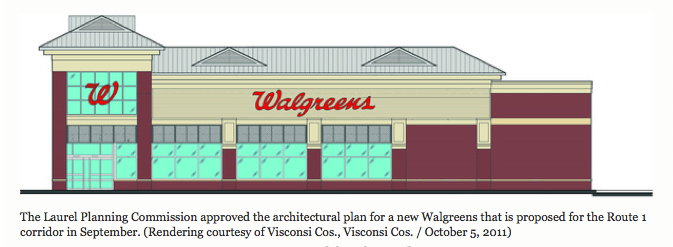
I can’t help but think that in another thirty, maybe fifty years from now, someone will spot a photo of this classic mid-century modern building in one of the Laurel Historical Society’s publications or exhibits (or on an antique roll of Laurel Leader microfilm still languishing in the library’s basement) and wonder, “Wow—why did they ever get rid of that?!” Odds are, the Walgreens that’s slated to take its spot won’t have quite the architectural pedigree.

It’s not only replacing the old blue building, but the rest of the 600 block of Washington Blvd. to its north—which most recently included Irene’s Restaurant (the former Kenny Rogers Roasters and Rustler Steakhouse), Mango’s Grill, and Ace Cash Express (a location that once housed Murry’s Steaks).

Granted, the block has certainly seen better days. In fact, it’s seen better decades. And the new Walgreens will undoubtedly be much more aesthetically pleasing than what passing motorists have been subjected to in recent years. But my real question is this—why was a building like this ever allowed to become an eyesore in the first place? This kind of architecture deserves to be repurposed, not replaced.


Case Study: The Starr Building, Austin TX
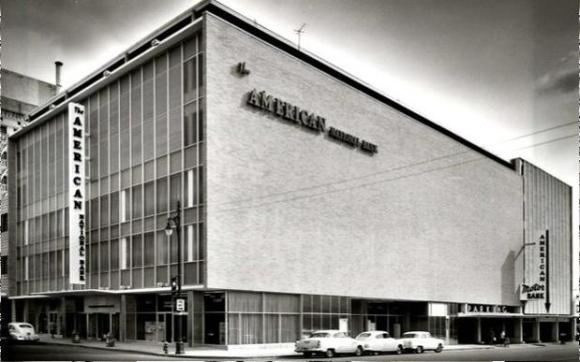
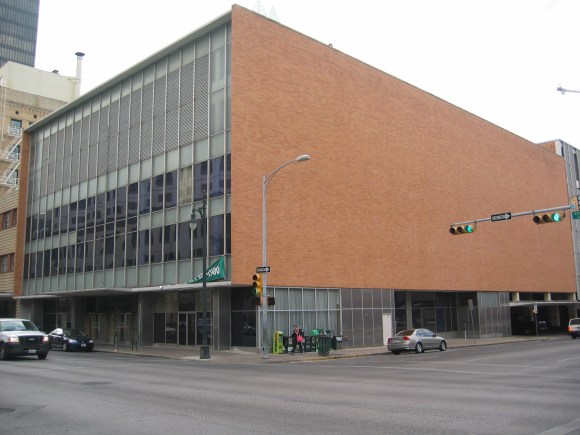
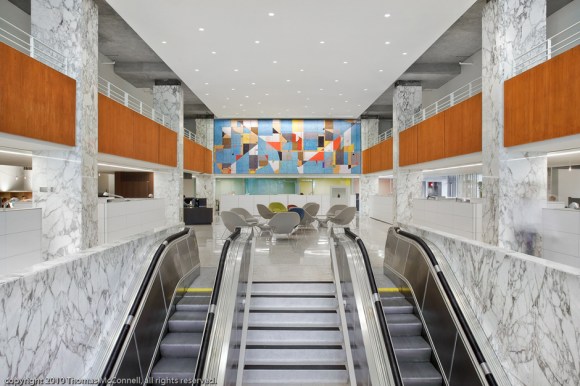
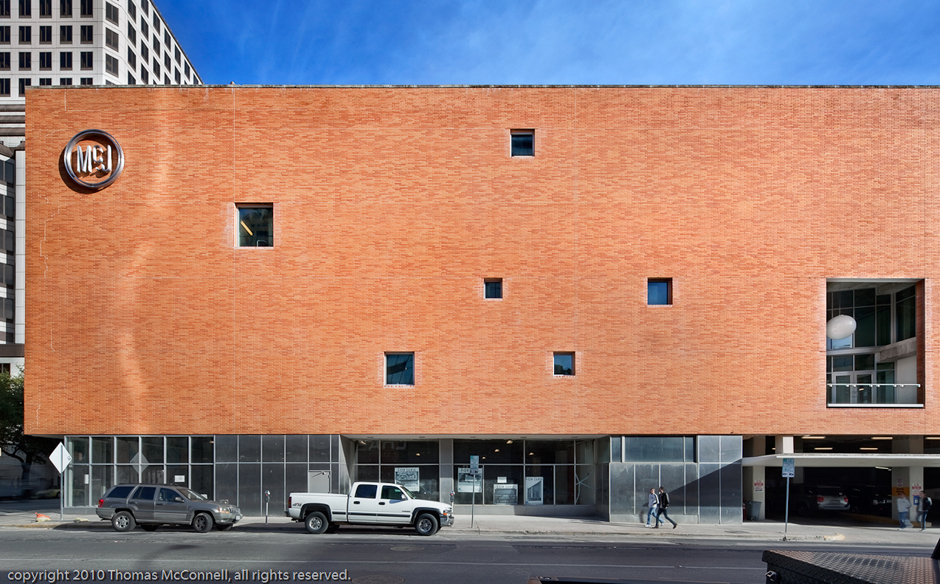
A very similar building in Austin, TX (also originally an American National Bank, coincidentally) recently survived a proposed demolition and is now enjoying a fitting new life as an ad agency.

A Texas preservation society recognized the The Starr Building’s architectural significance and promise, and added it to an endangered list in 2009. Later that year, Austin-based Kemp Properties purchased the building, and advertising firm McGarrah Jessee signed on as its lead tenant. It was a perfect match if there ever was one—and the ad agency literally built their own brand around the building, which clearly inspires them:

McGarrah Jessee absolutely showcases the building on its website, as it should. They include a fascinating video piece highlighting its unlikely history… an arc that could just as easily have applied to Laurel’s old American National Bank building, had the right minds been in place.

A slide in the video reads:

“Kemp Properties and McGarrah Jessee were among the few suitors who recognized that great bones lay beneath the carpet and cubicles. They had a vision that the building could be restored and rehabilitated—that it could make the same kind of statement in 2010 as it did in 1954.”

And it has. Kudos to all involved.

***

When I first heard of plans to demolish the Laurel building (and that entire block) for a Walgreens, I wasn’t surprised. But it made me wonder why the city of Laurel (or Prince George’s County, or even the state of Maryland, for that matter) apparently never considered stepping in when the building began to slide into decline—over ten years ago.

At a time when the city itself was outgrowing its own municipal buildings, did no one see the potential that lay within this distinctive blue building in the center of town—one of just a few spacious, vertical structures in the city limits?

At some point during its decline, you think the city would’ve at least considered how they might have been able to capitalize on preserving it. With a proper facelift, it could’ve been any number of municipal buildings to be proud of. Think of the facilities that were already outgrowing their original spaces: the library (even after a costly expansion in 1992) and the police department immediately come to mind. The old blue building could’ve accommodated either, and made a bold architectural preservation statement in the process.

Ironically, one of the locations considered for this latest library expansion was the former Laurel Police headquarters off of Main Street—which the police department itself had outgrown. (Coincidentally, I hear they’re also planning to demolish that soon, as well. Stay tuned.)

Getting back to the Starr Building comparison for a moment, perhaps you were wondering why it was called “the Starr Building”. Perhaps not, but just humor me for another couple paragraphs or so. There are just a few more parallels worth noting.

After the American National Bank failed in the 1990s, the State of Texas took over the building and made it the headquarters of the State Comptroller of Public Accounts. They christened it the Starr Building after James Harper Starr—physician, treasurer of the Republic of Texas, Land Commissioner, and banker. Then they did what most government agencies do to government buildings—they filled it with cubicles and bad carpet. But it got even worse. In 2005, the Comptroller’s Office moved out and gave control to the state’s General Land Office—who allowed it to sit vacant for the next four years, coming dangerously close to demolition. Interest in the building came and went; with most of the proposals involving tearing the building down and putting up something new.

Sound familiar?

Laurel isn’t exactly Madison Avenue, of course—it’s an unlikely locale for a top-level advertising agency to base its headquarters. It’s not Austin, Texas, either. And to be fair, the state of Texas didn’t do a great job stewarding the Starr Building itself. It took a preservation society and visionary developers to recognize the potential in salvaging that building.

But couldn’t Laurel’s own mid-century modern American National Bank building have been converted to something, other than a decaying eyesore? Something that could’ve inspired new tenants, rather than hinder them with repair costs and tax burdens? Did it really have to reach the point to where we’d read a quote like this from the city’s own longtime planner:

“I’m excited about getting that blue (office) building down, which was in bankruptcy,” Laurel Economic Director Karl Brendle said. “This is going to be great.”

There was a time when the city of Laurel was proud of that building, and of itself.
Tagged , , , , , ,

Time-Out Family Amusement Center

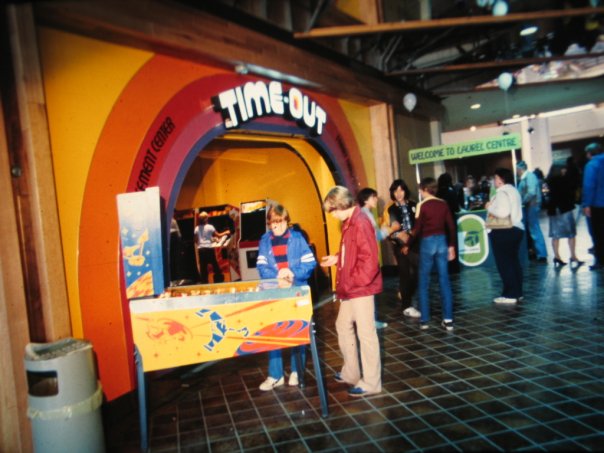
Laurel Centre, early 1980s (Photo: timeouttunnel.com)

Like countless Laurel kids who grew up in the 1980s, there’s never been any hesitation in my reply when asked what my favorite place was at Laurel Centre. It was and always will be Time-Out.
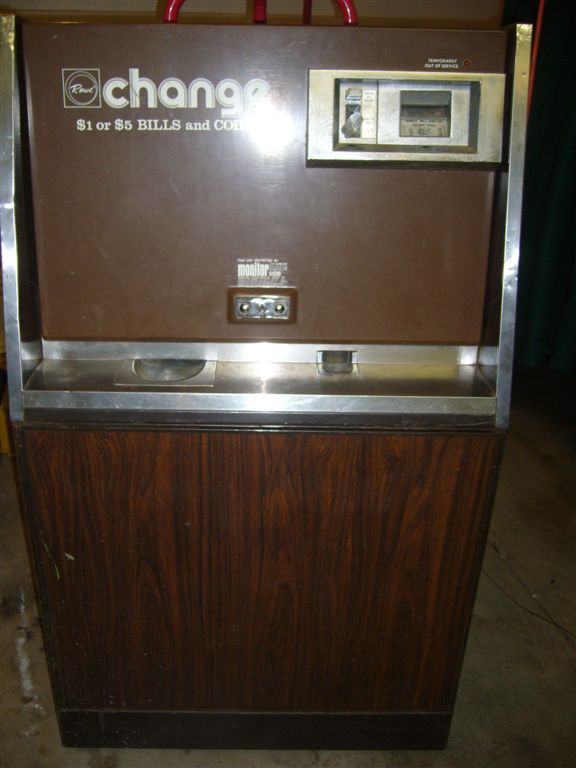
The small, crowded, video game arcade on the upper level near center court was a constant cacophony of digitized noise. Even before entering, you could recognize specific sounds over the din: Pac Man gobbling ghosts, a lost life in Donkey Kong, pinball paddles flapping, and quarters being dispensed by a Rowe bill changer.

I can’t begin to estimate how many games were actually in use at Laurel’s Time-Out; I’m sure it changed over the years. Pinball, obviously on the wane with the ascension of video games, was gradually relegated to the back wall of the arcade. The arcade cabinets multiplied over the years, until gamers found themselves practically elbow to elbow.

If I recall correctly, the more popular games (and new arrivals) were typically housed near the front of the arcade. There may have even been two Pac Man machines to accommodate the frenzy (or dare I say, the Pac Man Fever) in 1980–81. I remember Pac Man being on the left of the room, near the front. I think I ultimately spent more time on the right side of the arcade, however; playing a selection of games that—at the time—seemed to be setting unprecedented standards for graphics.While late 1970s games such as Asteroids, Space Invaders, and Galaxian were established classics and remained popular, 1981–82 marked a dramatic change with the arrival of Donkey Kong, Donkey Kong Jr., Pole Position, Tron, Xevious, and others. Q*bert was another fan favorite at Time-Out around this same period, as was Popeye, which sat just a space or two away in a Nintendo cabinet very much like that of Donkey Kong.

Pole Position (and Pole Position 2, the following year) were always popular driving games—complete with steering wheel and gas pedal controls—but Spy Hunter was, in my humble opinion, better than both combined. I can’t remember if Time Out had the stand-up or sit-down model (or both, at some point), but either was well worth a few quarters.

Of course, the games didn’t only take quarters—they took tokens. Official Time-Out tokens, which were like gold to kids—especially if we found coupons for free tokens. Every so often, a free newspaper would be distributed throughout Laurel. (Ad Bag, perhaps?) And occasionally, inside this publication would be a coupon for one free Time-Out token. Needless to say, those of us who grew up in apartment complexes like Steward Manor saw the stacks of these Ad Bags in hallways as a literal gold mine of Time-Out tokens. Naturally, cashing them in was the tough part—as the attendants quickly began to recognize the kids coming in with more than one coupon…


To date, I’ve only found the one photo of Time-Out at Laurel Centre. Surely, someone thought to bring a camera inside at some point; but then again, who had time to take pictures when games like Track & Field or Yie Ar Kung-Fu became available? One had to be ready with one’s quarters (or tokens) when the games opened up.

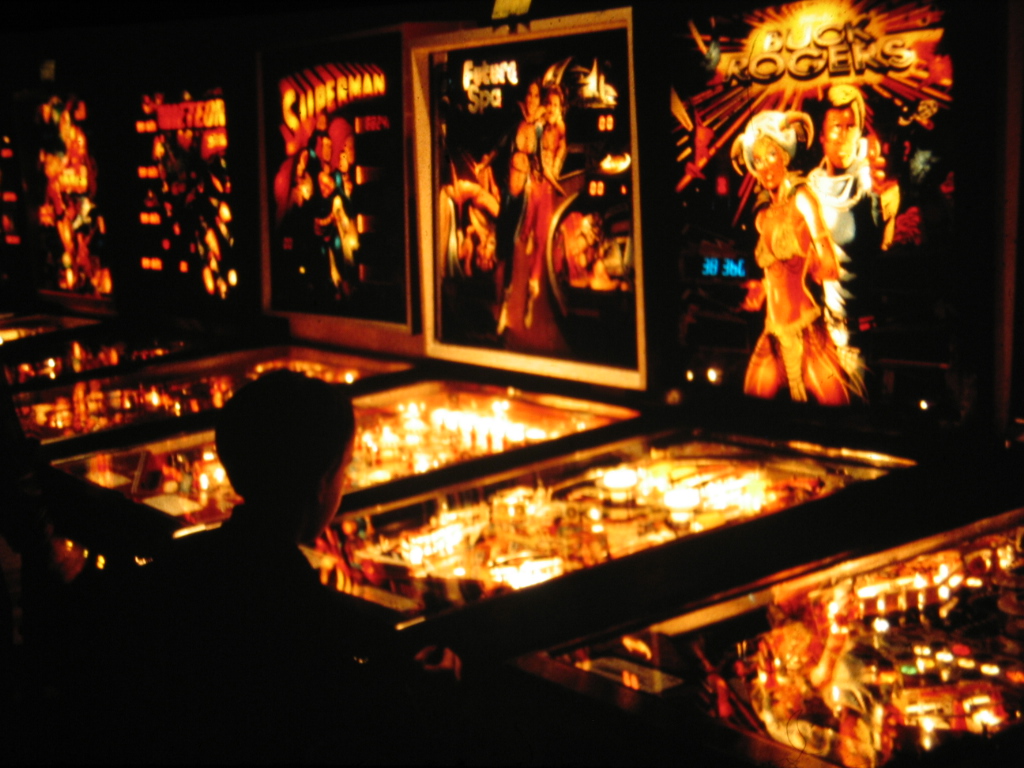
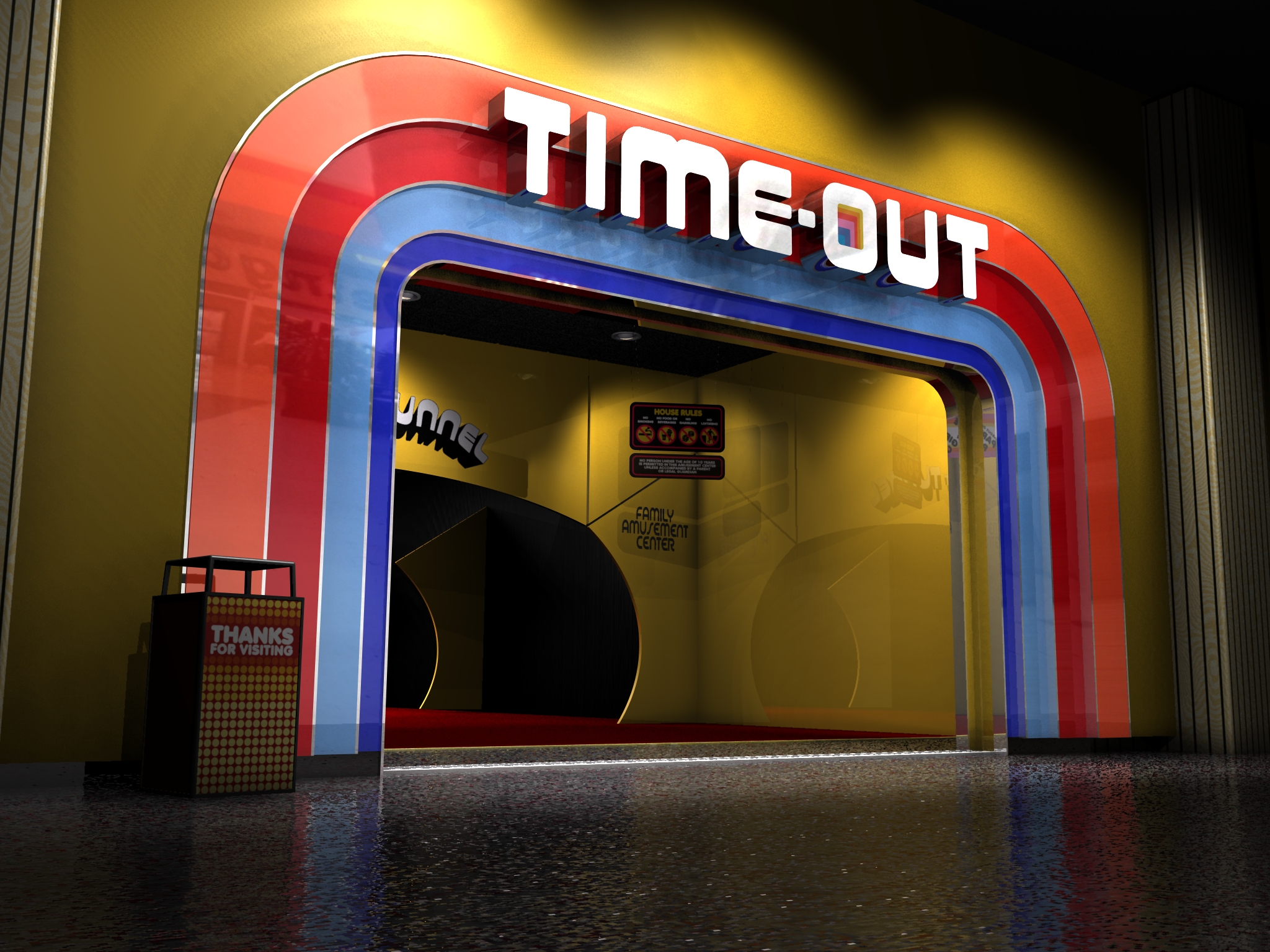
While the following images are almost certainly not from the Laurel location, they do convey the essence of Time-Out that most of us remember—the brightly-colored wall graphics contrasted with the dark ceiling that seemed to disappear into a night sky; the ambient lighting creating a perfect environment for the gaming experience.

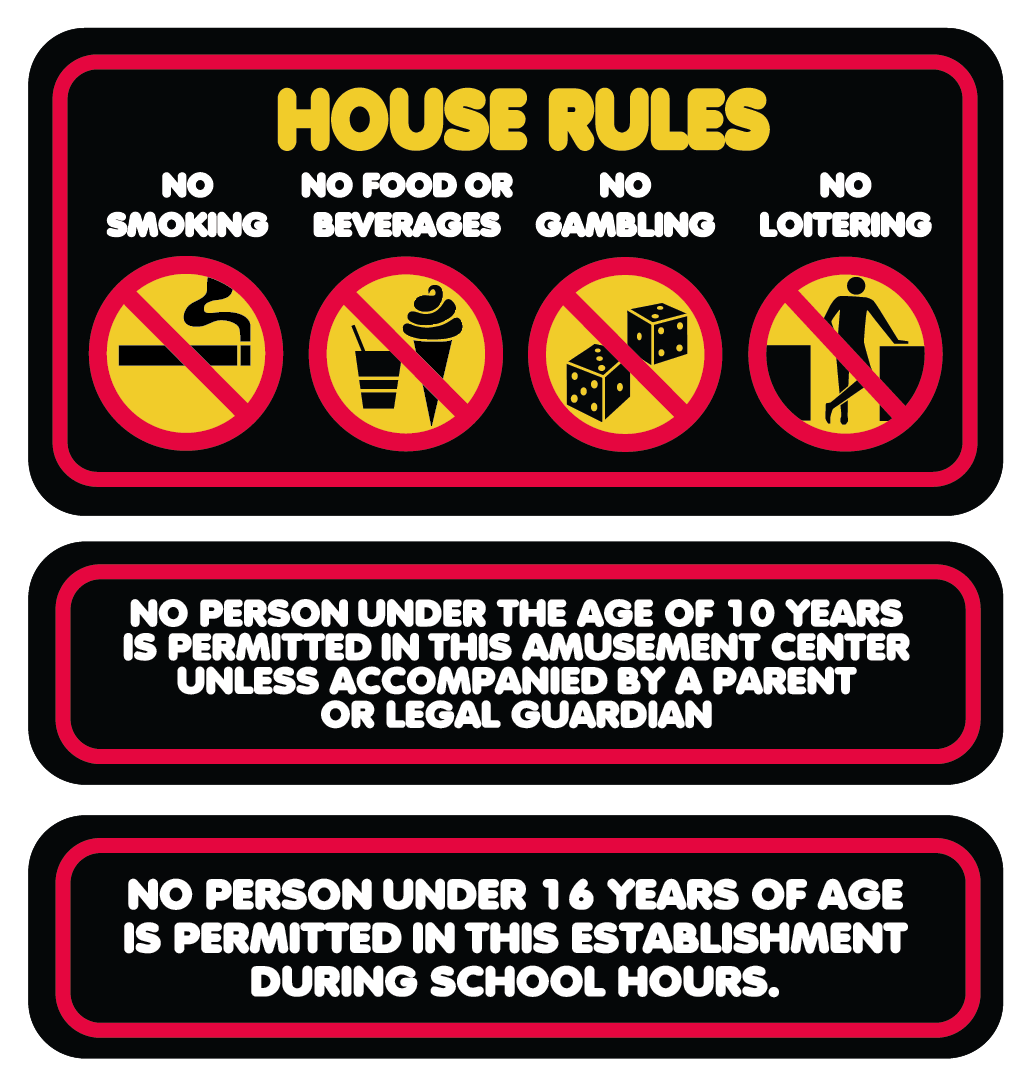
These interior photos were found at a fantastic site called TimeOutTunnel.com—a virtual museum curated by Peter Hirschberg, who has gone more than a mere step beyond. His tribute site not only houses a tremendous repository of Time-Out photos and artifacts, but Peter has painstakingly recreated a number of details—such as the iconic signage within most locations, and wickedly sweet 3D renderings of store fronts and games themselves. Seriously—prepare to be amazed.

Yes, he got the details right all the way down to the trash cans!

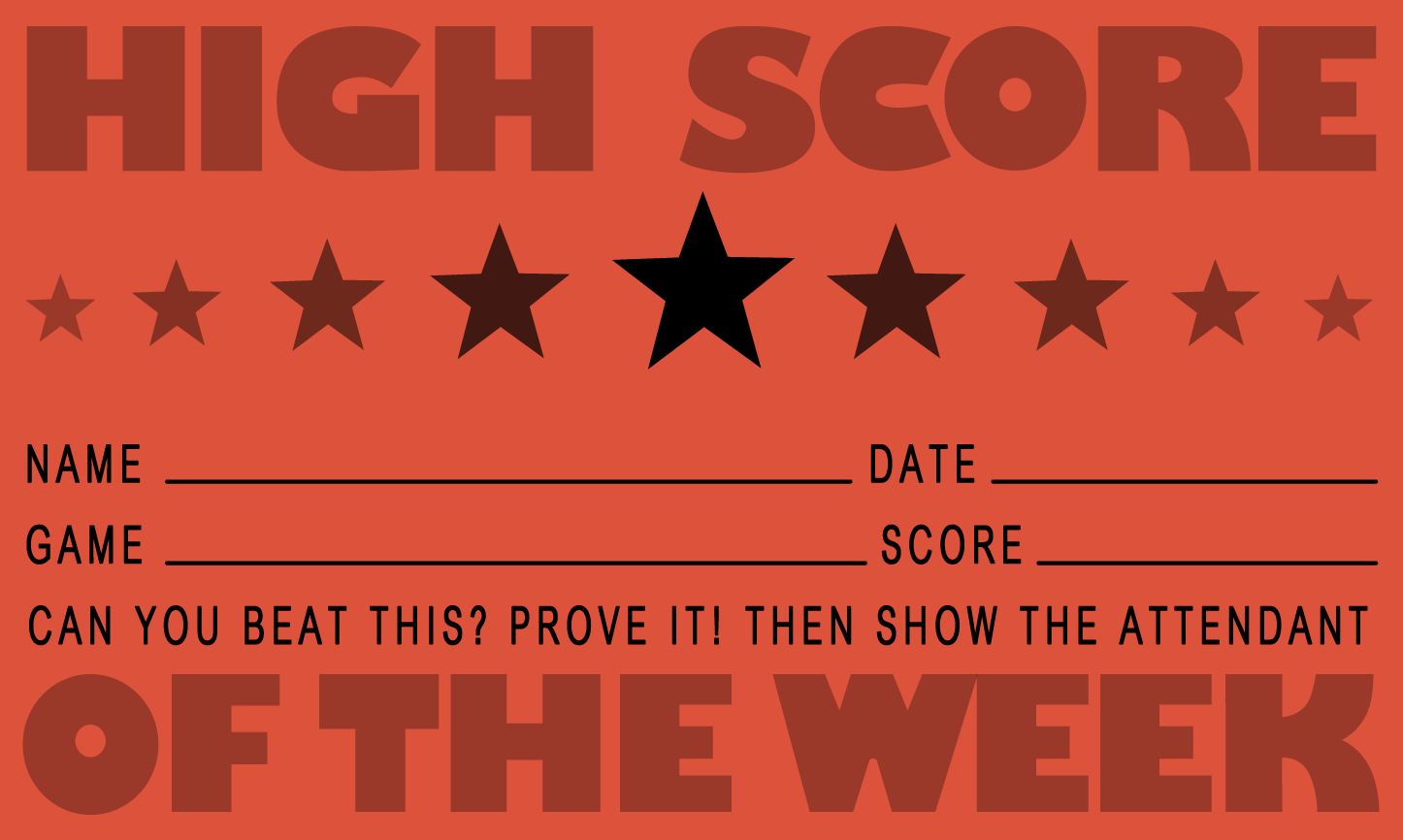
Remember the High Score of the Week cards that sat atop each game? Peter has even recreated them—in all the correct colors. Didn’t I say you’d be amazed?

It’s always been a dream of mine to have a basement full of vintage 1980s arcade cabinets. Or even one, for that matter. I don’t even care if its something like Root Beer Tapper—it doesn’t have to be the top of the line, most popular game of all time. But realistically, space (or lack thereof) and the fact that the Xbox 360 has done the unthinkable—made video arcades irrelevant—have pushed that goal quite far to the back burner.

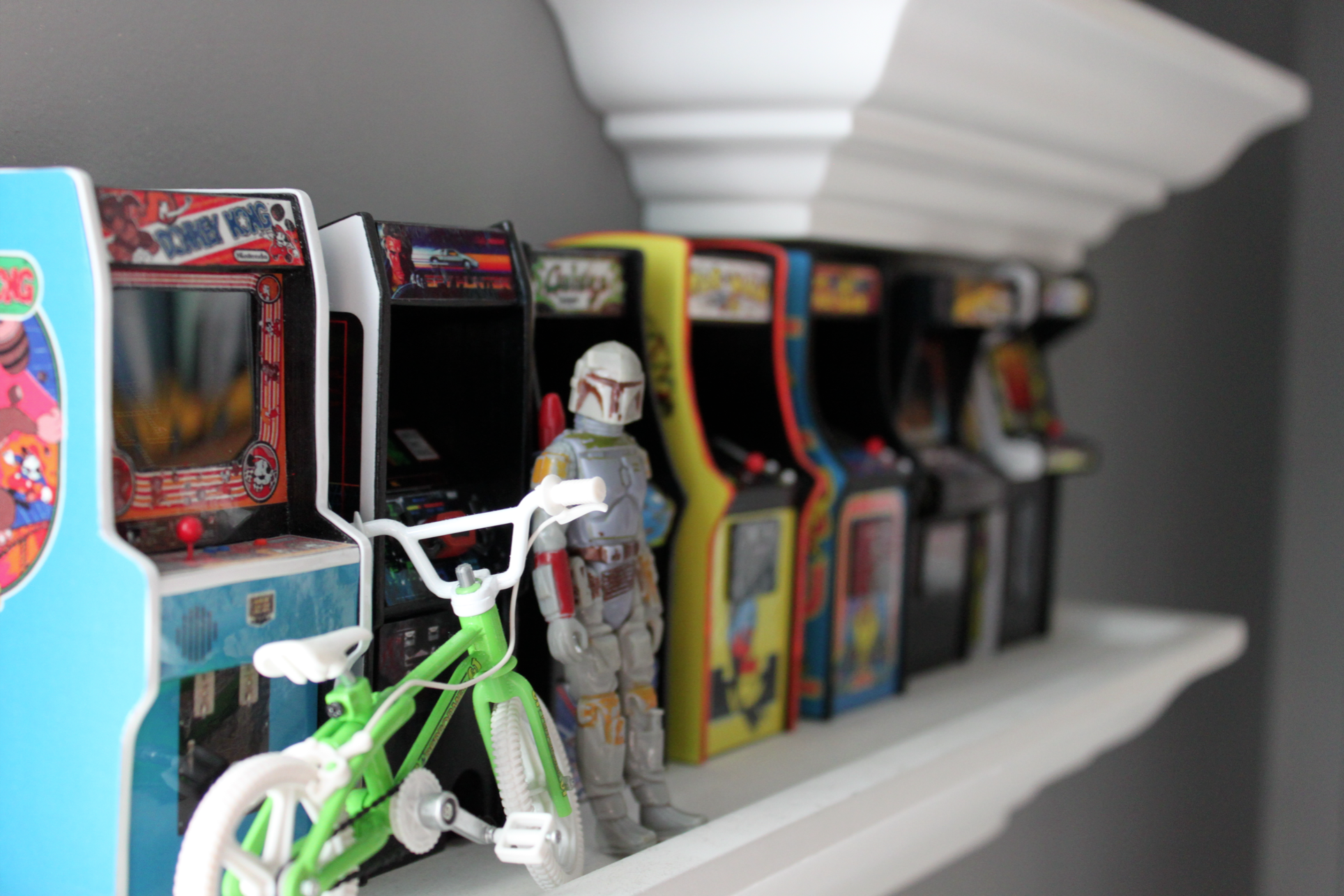
But in the meantime, I have indulged my old school arcade affinity on a much smaller scale. My miniature arcade, built by the incredibly talented Justin Whitlock, sits on a shelf in my studio above my desk—a constant reminder of Time-Out and the countless hours of entertainment it provided. If you have quarters, you’re welcome to come by anytime. Just don’t expect to play Spy Hunter. Boba Fett—not the most considerate of action figures—tends to hog the machine all day.

Tagged , , , , , , , ,

Bikes Plus

So many of Laurel’s high-end 1980s BMX bikes, including my beloved lime green-with-white-tires ’86 Diamondback Viper, came straight outta Compton. 308 Compton Ave., to be exact—from the little shop called Bikes Plus.

Photo: office-search.blogspot.com

Truth be told, I haven’t ridden a BMX since I sold the Diamondback in 1991—naively thinking that my new car (and I use that term very loosely, as my first car was a used 1981 Olds Omega) would replace it. In fact, it’s ironic; as kids, we couldn’t wait to trade in our bikes for cars. As an adult, it’s almost the opposite. Last year, I finally bought a new bike—a Cannondale Quick 2. It’s not as fun as the Diamondback used to be, but it’s close. And it’s certainly more fun than a Toyota—especially in DC traffic.

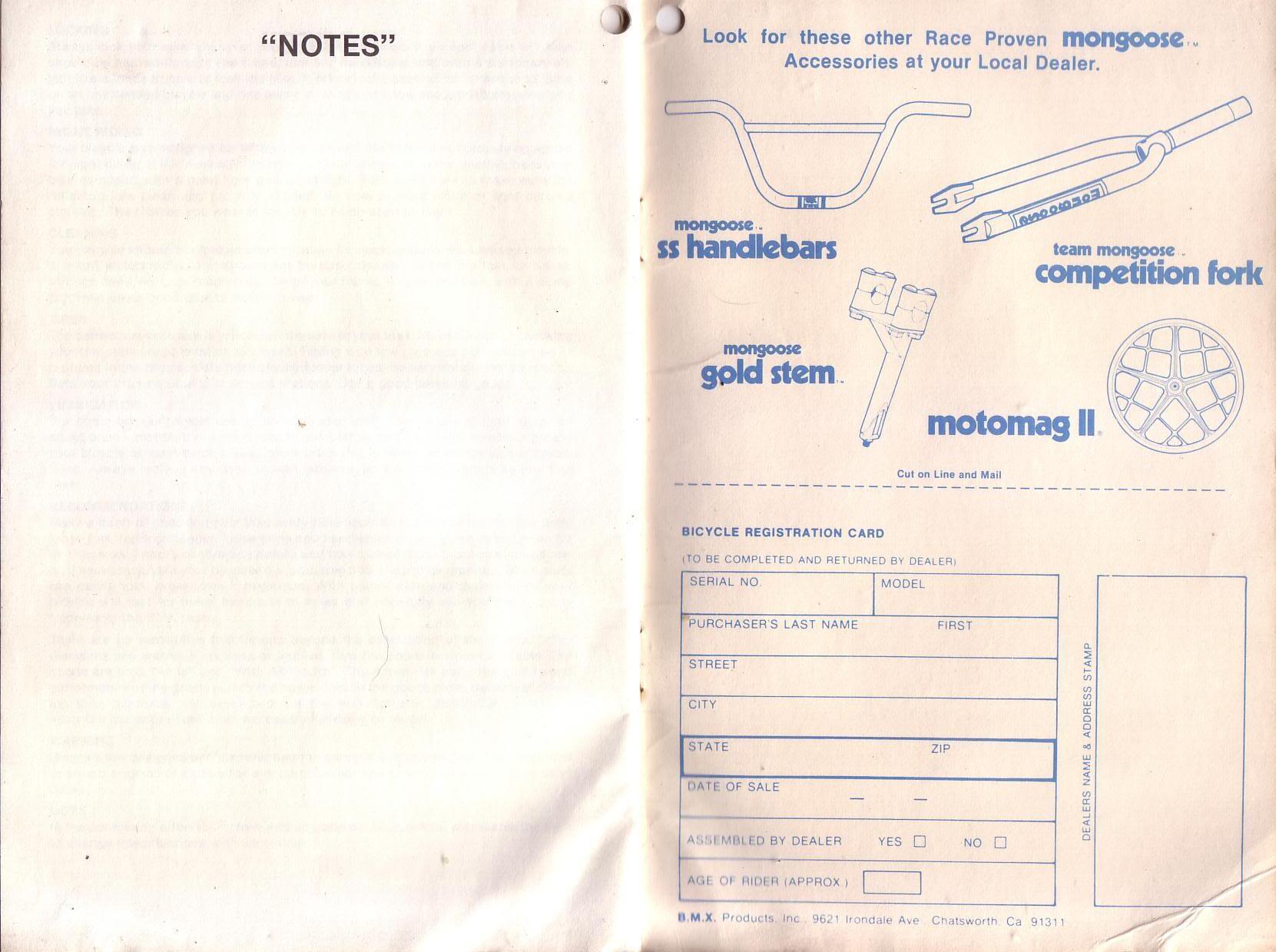
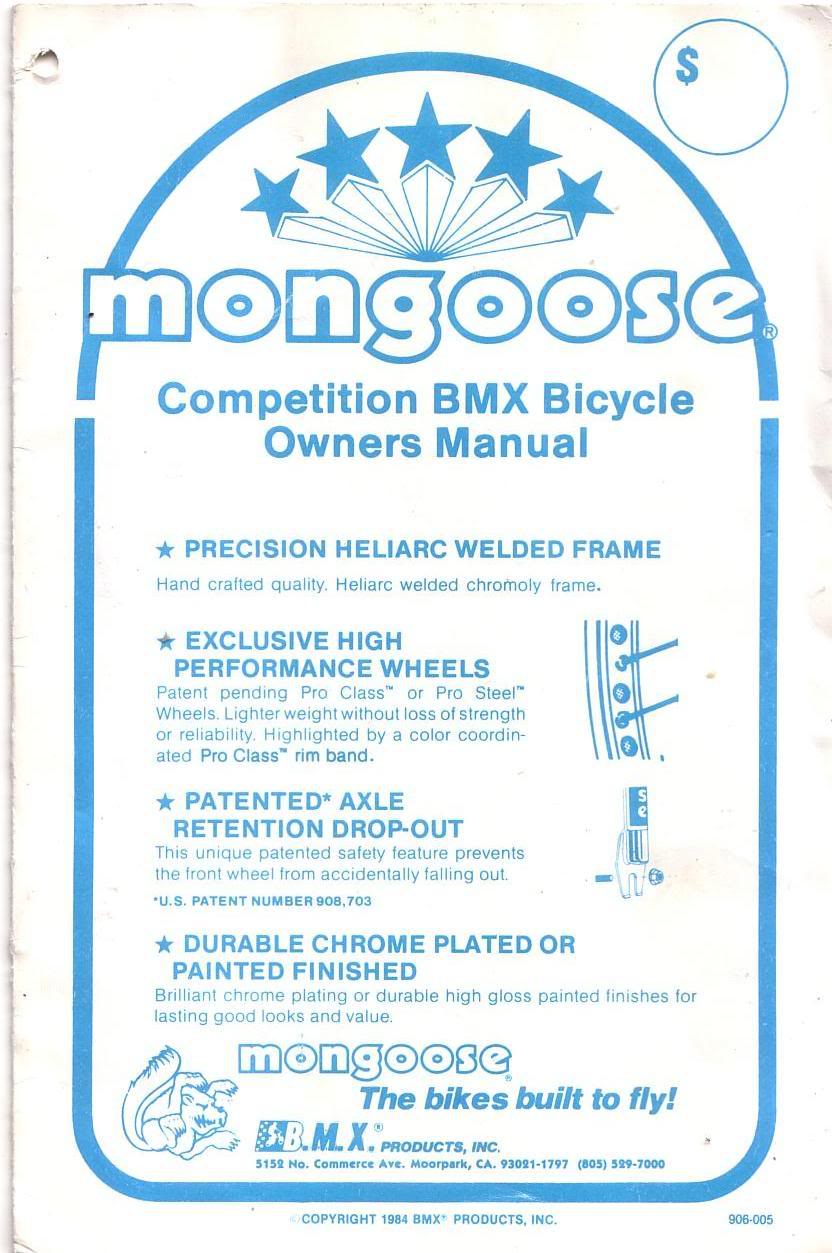
I haven’t found any specific artifacts from Bikes Plus, but I did come across a couple of vintage Mongoose manuals (1981 and 1984, respectively), as well as a spec sheet on the 1986 Diamondback. Reading it only reminds me of how much better it was than that Olds Omega, but I digress.

As far as the owners of Bikes Plus, I also found this article which details the colorful history of the building itself, including its time as both a childcare center (its current state) and a car wash (before Bikes Plus). If you have any photos of the staff, the bike inventory, or the legendary video arcade that was part of the Bikes Plus shop, please share!

Tagged , , , , ,

Arbitron

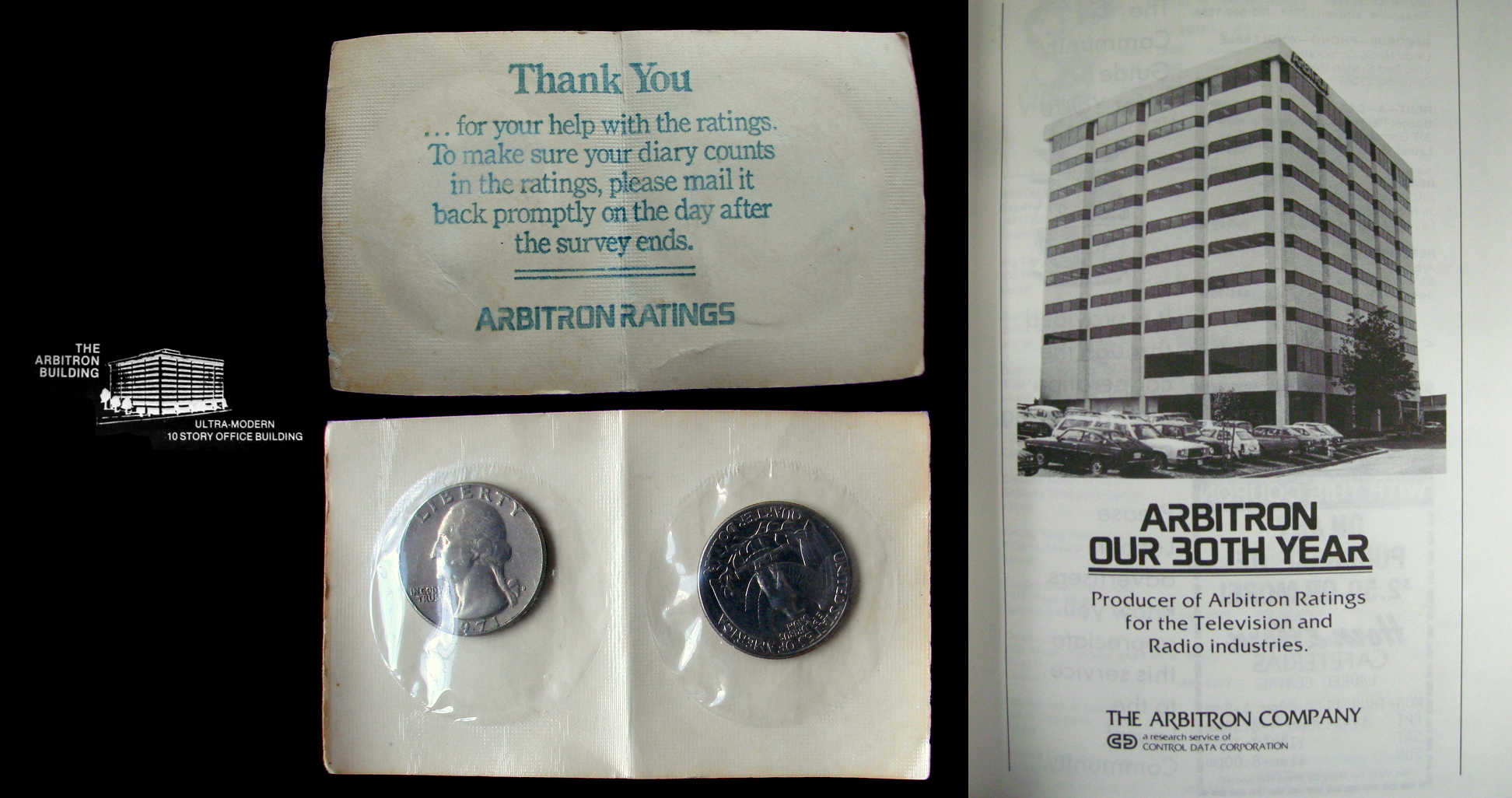
Remember when The Arbitron Building actually housed… Arbitron?

Tagged , ,

Bill’s Carpet Warehouse

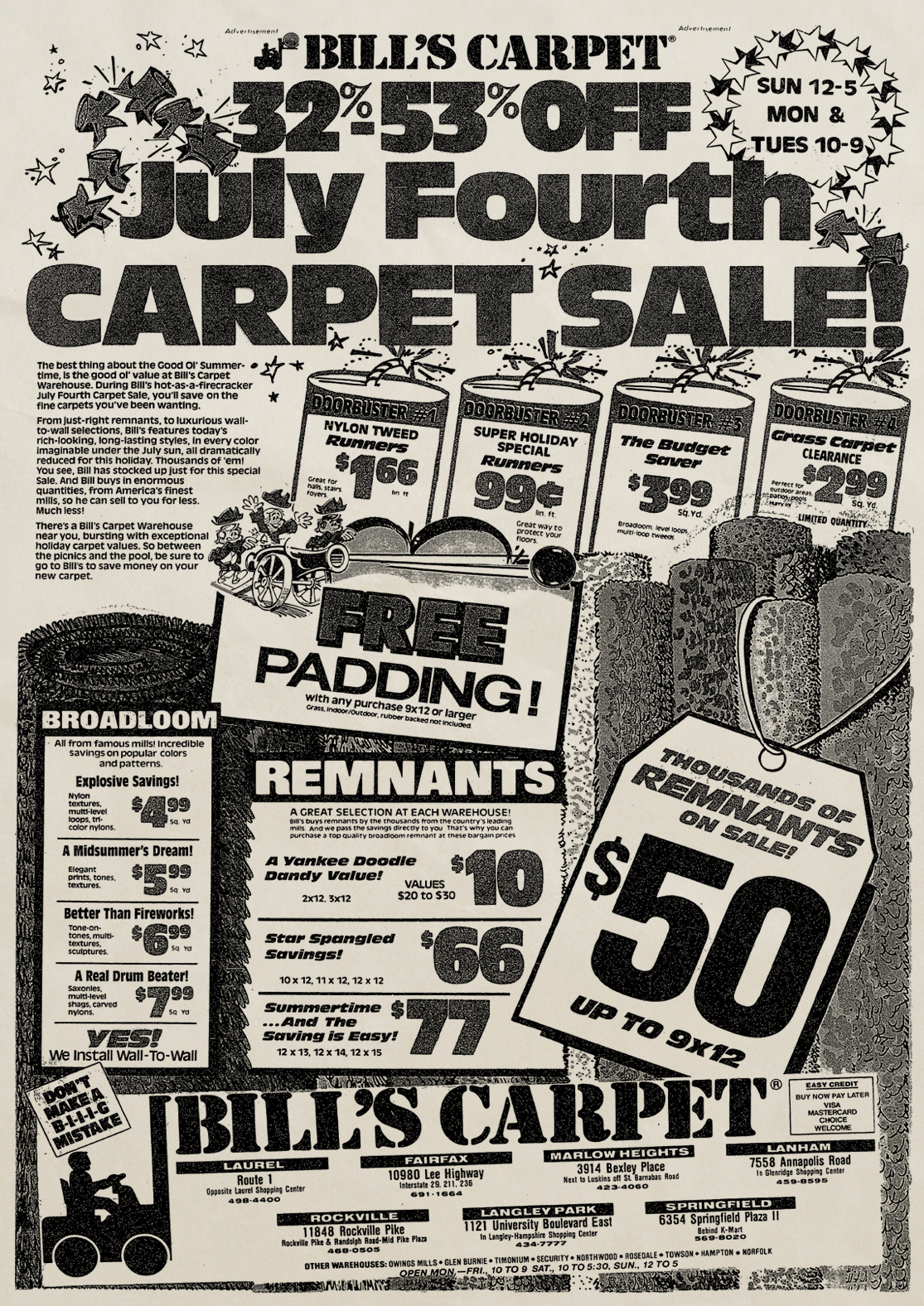
As a kid, I have to say that Bill’s Carpet Warehouse struck me as the most boring store in Laurel. Thankfully, my parents didn’t have to buy carpets all that frequently.

These days, the old building at 14815 Baltimore Ave—directly across from Laurel Shopping Center—is a Vitamin Shoppe… which, I suppose is a bit more exciting.

Display ad: Washington Post, July 3, 1983
Photo: Elydrith Fleshman-Aguilar
Tagged , , , , ,

Jamesway

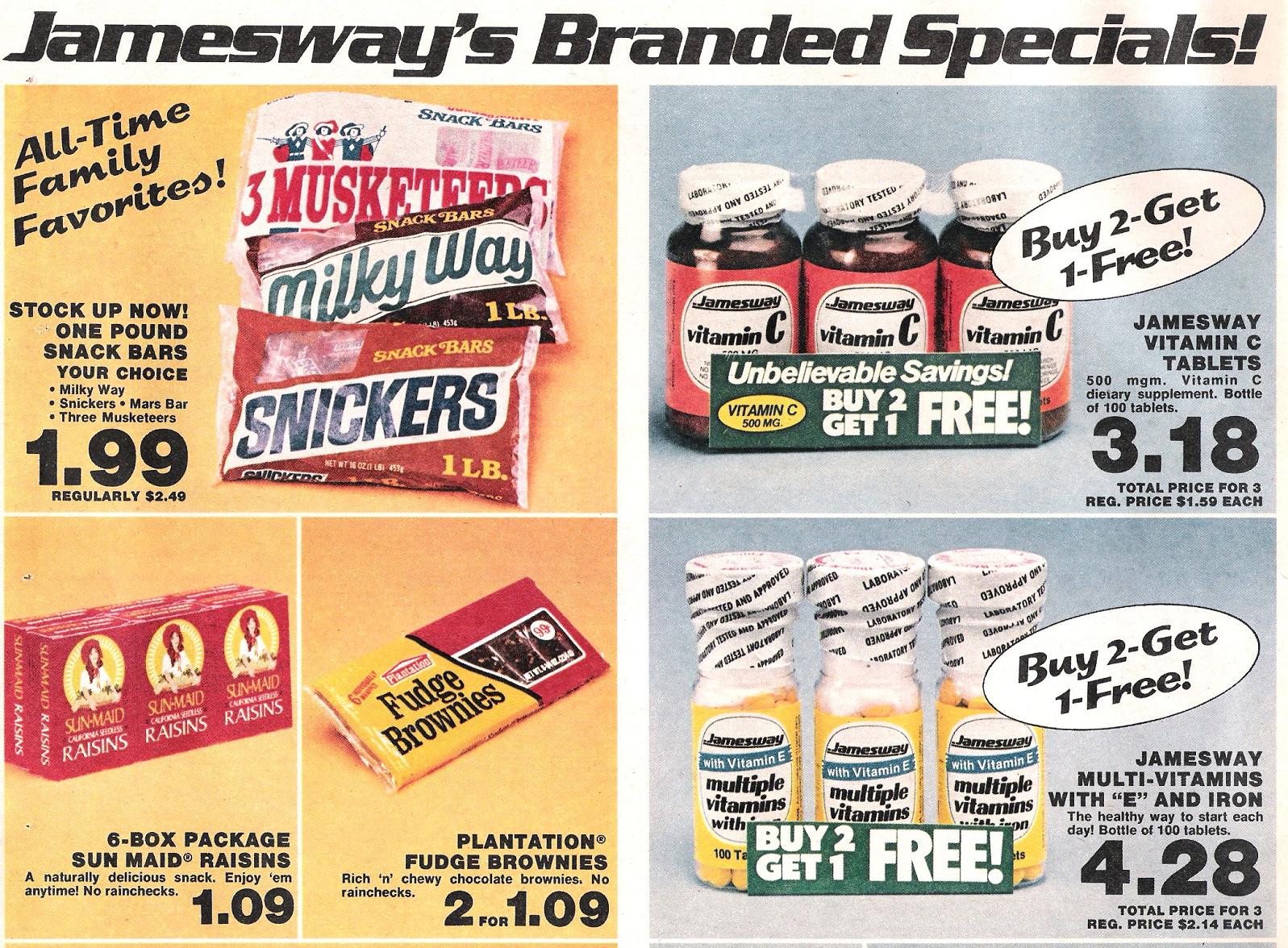
So, the Woolco experiment didn’t go quite as planned in the old Hecht Co. building. And just a little over a year later, in April 1983, another store tried its luck. So did hundreds of eager Laurel residents, who came out on opening day to try to catch ping-pong balls—being tossed from the roof by skydivers—in order to win free door prizes.

Jamesway, founded in 1961 in Jamestown, NY (hence its name), rapidly expanded over the next two decades—eventually peaking at 138 stores in the Northeast and mid-Atlantic regions. Woolco was one of several defunct stores that Jamesway subsequently acquired.

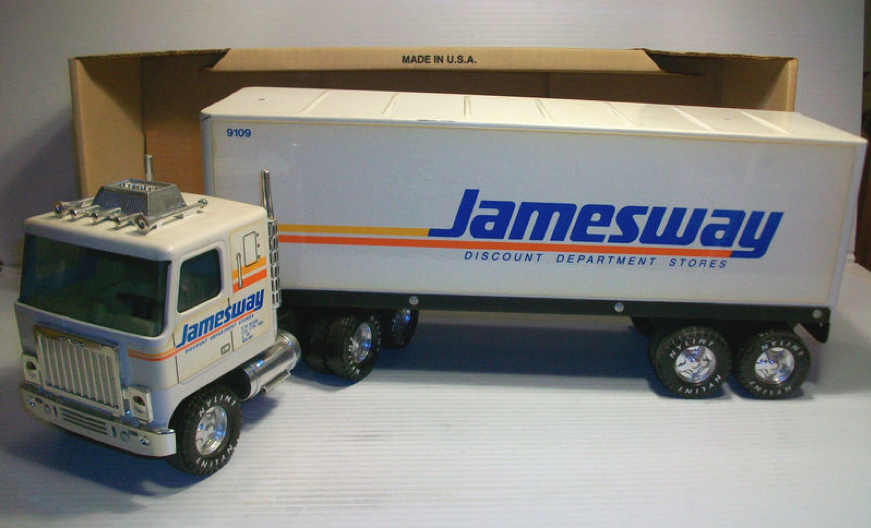
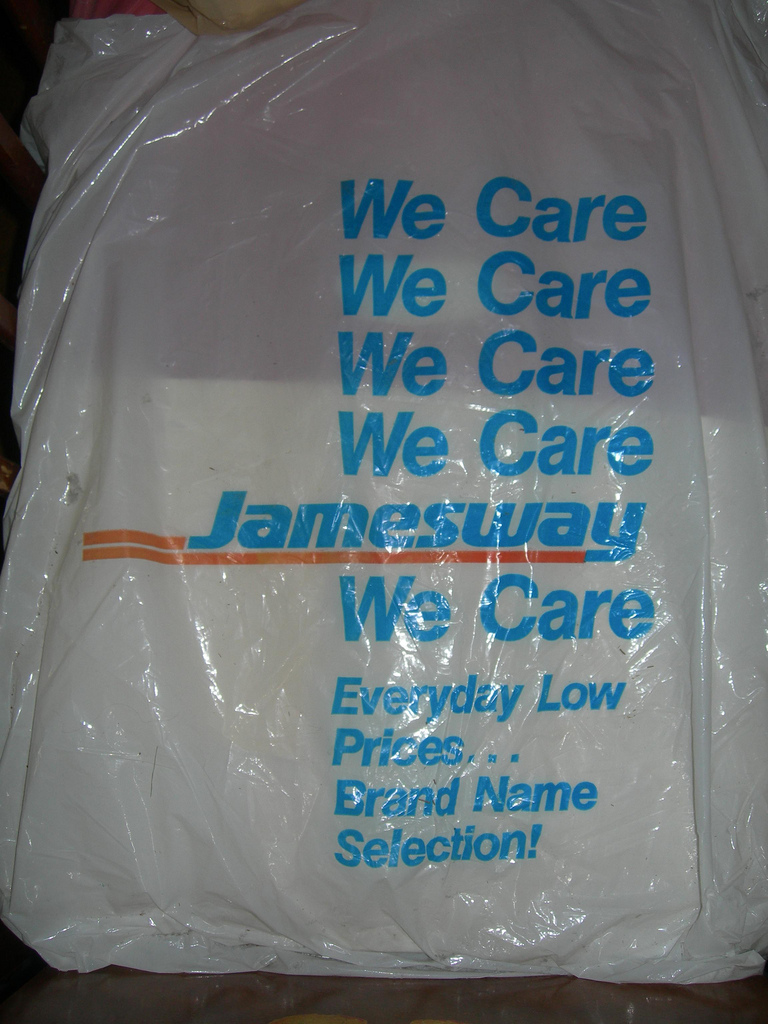
It was actually very much like Woolco, in that it was a large discount department store that seemingly carried everything under the sun; but it felt newer. And to those of us in Laurel, it was new—I’d certainly never even heard of Jamesway before those ads started coming out. And the Jamesway brand felt fresher, too, with its bright blue, orange, and yellow.

Photo: cooldude166861 (Flickr)

I’m still not sure why they went with those mint green shopping carts, but they too felt new.

Photo: snappyjack1 (Flickr)

Being the discount department store that it was, (competing with the likes of Zayre/Ames and Bradlees at the time) Jamesway certainly didn’t appeal to fashion-and brand-conscious kids of the 1980s. Nonetheless, it was a great resource for all other things; you just didn’t want your parents coming home with any kind of Jamesway clothing for you. Or worse, shoes. I don’t remember exactly what a pair of Jamesway sneakers looked like, but I assume they did, in fact, exist. And it’s a safe assumption that they fell under the dreaded “maypops” category. Which is a shame, of course, because the clothes probably weren’t necessarily bad. The shirts just didn’t have little alligators sewn on them.

Photo: BACKYard Woods Explorer (Flickr)

Jamesway definitely fared better than Woolco did, and the Laurel store proved to be a popular and successful location that remained through the decade. But the 1990s weren’t nearly as kind, and by 1991—despite the 138 stores and sales of $855 million, according to Wikipedia—changes were afoot. A refinancing saw 11 stores close that year; and by July 1993, Jamesway had filed for Chapter 11 protection. Additional stores continued to close throughout 1994, as the company spiraled downhill. Finally, between October and December 1995, Jamesway closed all of its remaining stores and liquidated its inventory… even down to all those unused price stickers.

Tagged , , , ,

Woolco

It being the end of February, I trust everyone has finally taken down their Woolworth/Woolco Christmas ornaments, right?

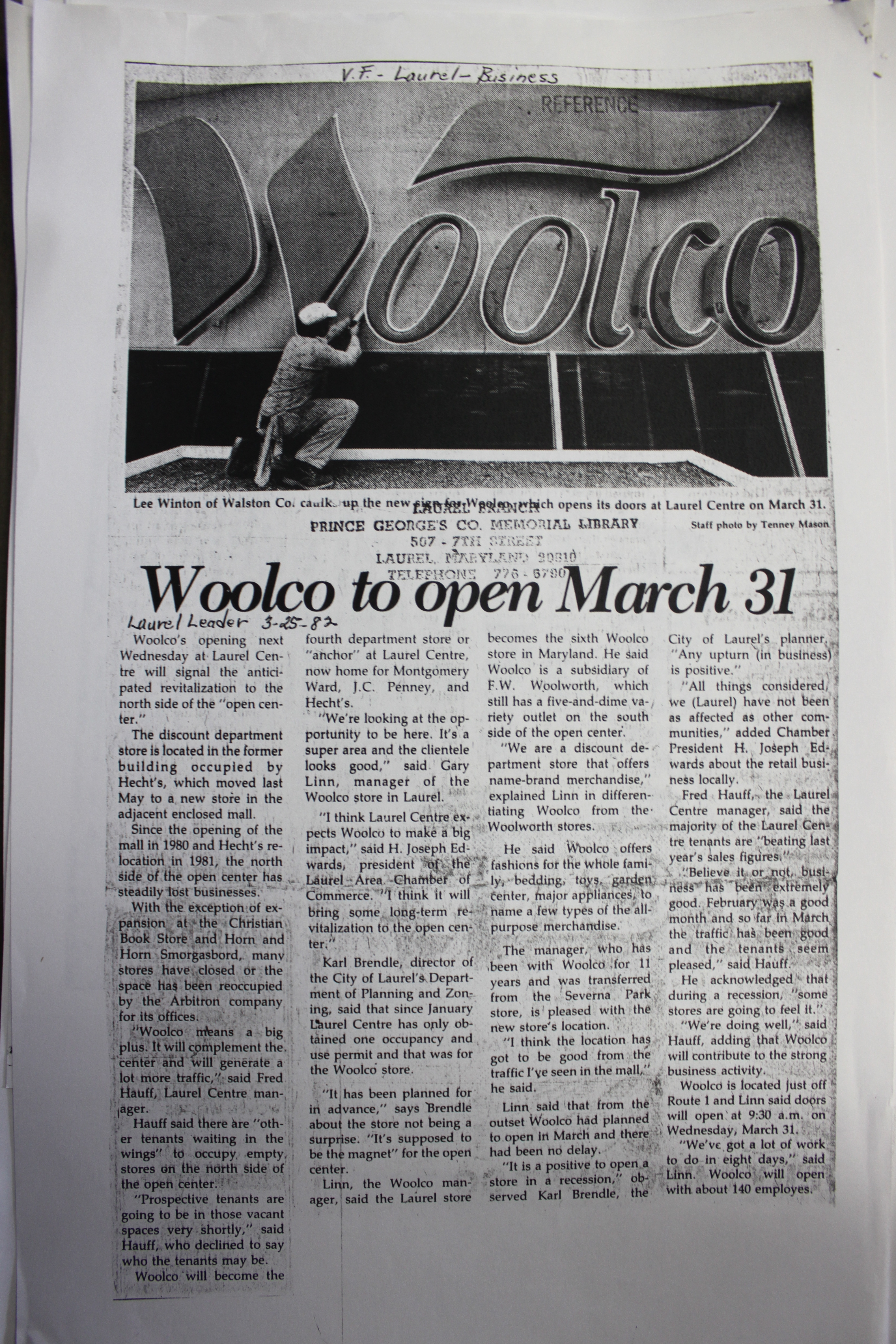
There was a time—March, 1982, to be exact—when it seemed like Woolworth and Woolco were poised to dominate the Laurel retail market, having stores practically book-ending the parking lot of Laurel Shopping Center. Woolco, founded 20 years earlier by the F.W. Woolworth Company, was a full-line discount department store, which offered considerably more than its smaller, more traditional five-and-dime counterpart. Laurel’s Woolco opened in the former Hecht Co. building on March 31, 1982, taking over the empty retail space after Hecht’s moved inside the new Laurel Centre Mall the previous year.

While Woolco was considerably bigger and more modern, its marketing team was careful to point out that Woolworth remained its parent company. Together, Woolworth/Woolco offered an extensive line of pretty much everything—from the aforementioned Christmas decorations to automotive supplies.

And speaking of autos, they also created their own brand of Matchbox/Hot Wheels-type toy cars: “Peelers”.

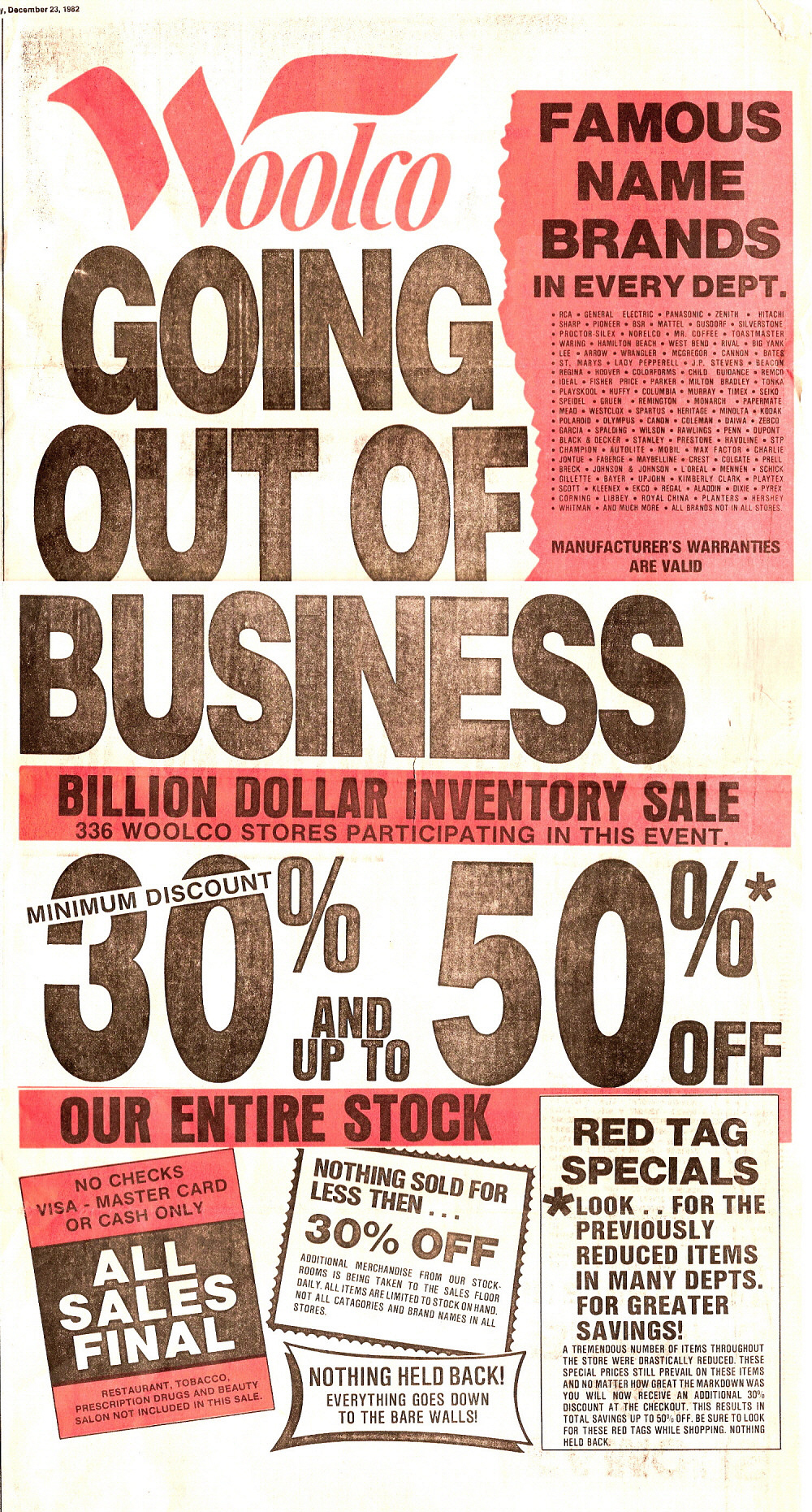
But alas, the Woolworth/Woolco dynasty wasn’t to be. In fact, the Woolco signage we see being installed in that Laurel Leader article above had barely settled—literally—when F.W. Woolworth announced that it would be closing all 336 stores in the United States.

That announcement came in September of the same year—not even a full six months after Laurel’s store saw its grand opening.

What’s remarkable, obviously, is that the store even opened up in the first place. In fiscal 1981, the parent company (Woolworth) earned $82 million in sales. Without Woolco, it was claimed, its earnings would have been $147 million. “We believe that the figures indicate that Woolworth will be a more profitable company once freed from the burden of Woolco’s disappointing performance,” said Chairman Edward F. Gibbons. Yet, only six months earlier, they were opening a brand new store in Laurel—to optimistic city planners and retail chiefs who clearly expected the store to last a lot longer than six months. In hindsight, they never should’ve opened it on March 31st. They should’ve waited and opened it on April Fools Day.

Some thirty years later, today’s situation with the old Laurel Mall and its countless financial/developmental mishaps shouldn’t seem so surprising. And this time it can’t be blamed on Woolco.

Tagged , , , , , , ,

Laurel Centre: Merry Go Round… and Carousel

When you ask folks who grew up in the 1980s about “Merry Go Round“, they’ll undoubtedly remember the store… and its trendy fashions that they’d probably just as soon forget. Do the brands “I.O.U.” and “Skidz” ring any bells?

For those who grew up in Laurel at that time, our Merry Go Round was located on the lower level of Laurel Centre Mall, not far from the Hecht’s entrance. And coincidentally, just a few short yards away was another merry go round of sorts—the Carousel shops, which were literally located on a revolving platform in the center of the mall. These seven small boutiques were surrounded by a moat, no less—into which everyone in Laurel likely threw at least one penny at some point. (Perhaps wishing for a new red leather jacket from Merry Go Round, or something).

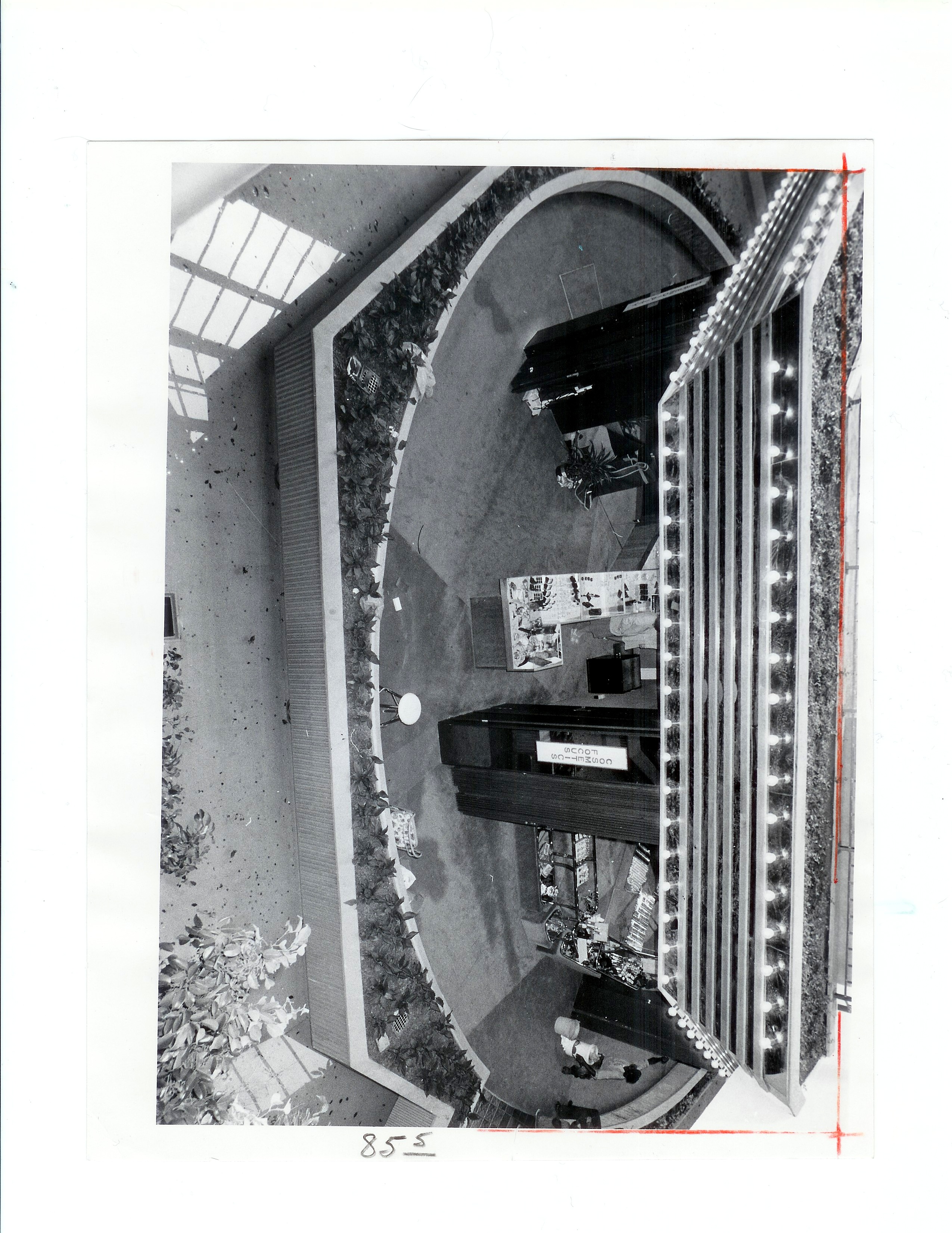
It wasn’t obvious, but the Carousel did actually rotate. According to this press photo which ran in the October 28, 1979 issue of the Baltimore Sun, the platform did a complete turn every 50 minutes. It did, at least, until maintenance costs proved to be too prohibitive, and then it just sat still. For that reason, many people probably never realized that it ever rotated at all.

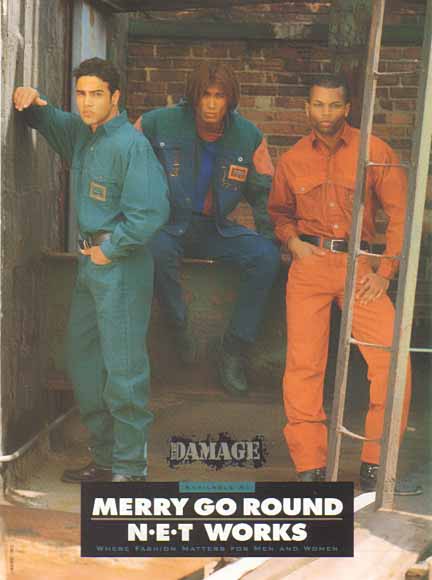
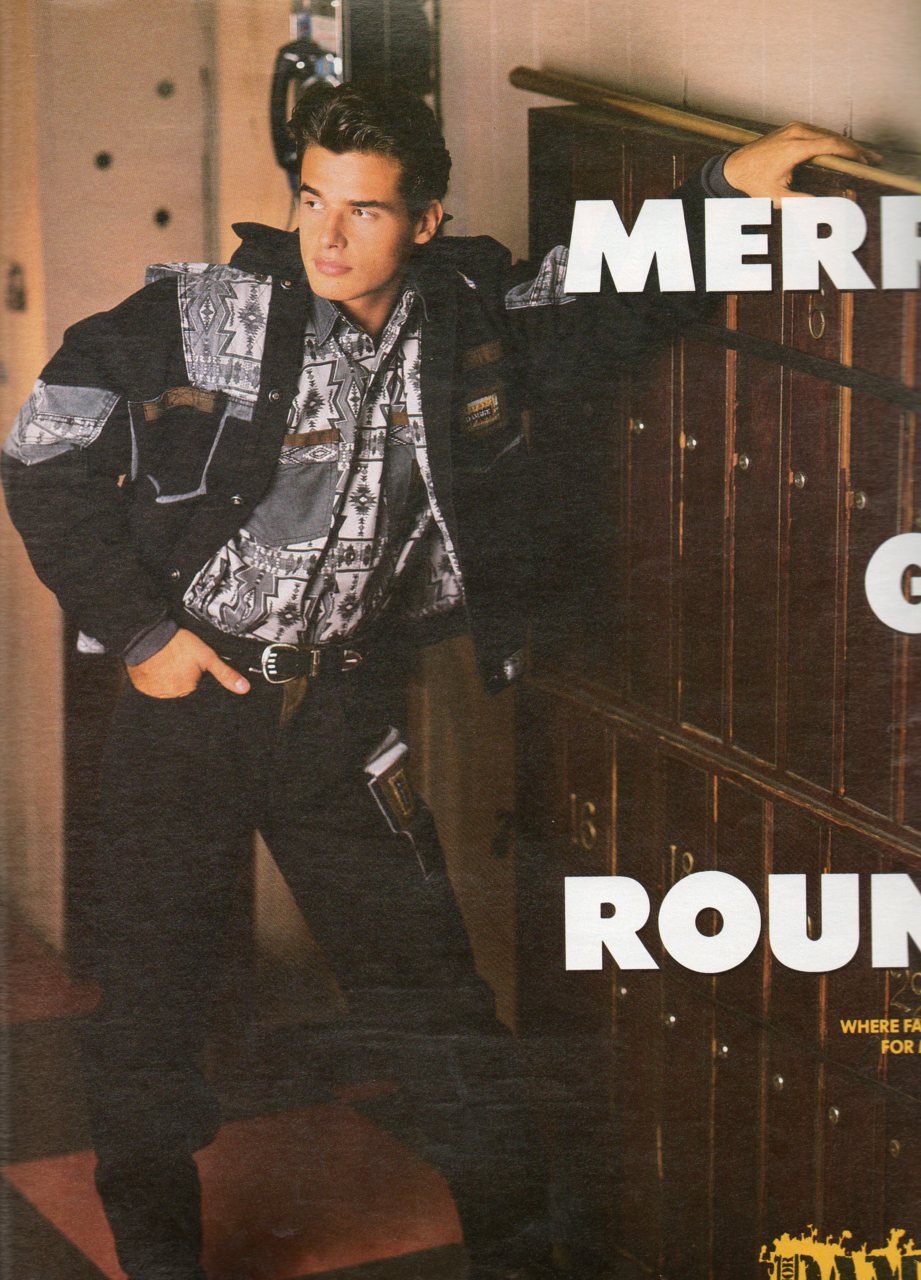
And as for Merry Go Round, the store, I hope you didn’t think I’d miss this opportunity to showcase some of its many wares. Enjoy. Or cringe, more likely.

Tagged , , , , , , ,