Category Archives: Architecture

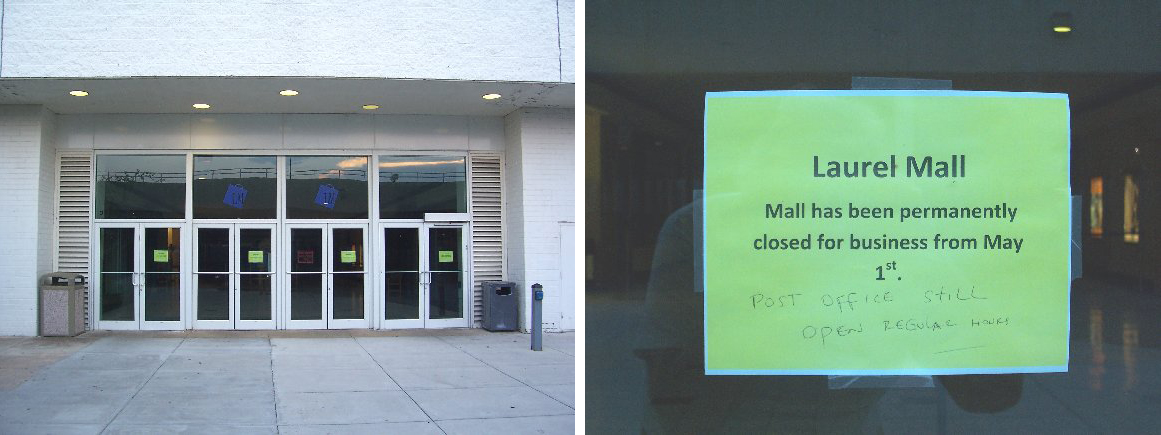
Goodbye, Laurel Mall

Laurel Centre Mall, October 11, 1979 ~ May 1, 2012.

Photos: John Floyd II

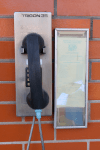
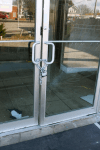
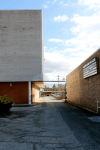
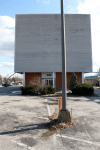
Thanks to long-time Laurel resident John Floyd II for trekking over and confirming this week’s final closure. To my knowledge, there weren’t any press releases or announcements; just a handful of bright green flyers taped to the doors announced the final closure of the long-suffering Laurel Mall.

Much more to come on the mall’s closing soon, as well as some early articles and photos trumpeting its grand opening back in 1979—when it got substantially more respect than a few bright green flyers.

Tagged , , ,

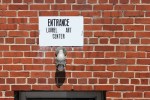
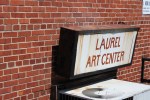
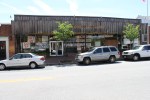
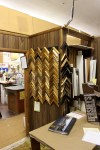
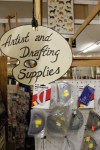
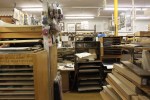
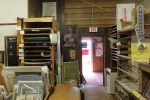
Laurel Art Center: The Final Weekend

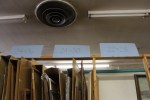
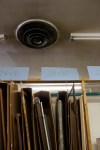
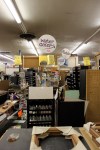
This weekend, the Laurel Art Center reopened its doors (shuttered since February, when the Emery family announced their intent to close the iconic 35-year-old business) for a massive liquidation sale.

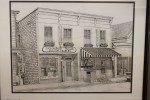
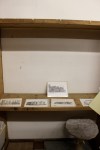
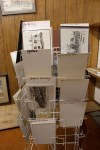
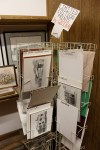
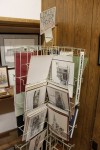
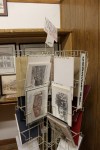
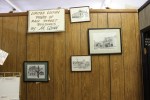
I visited with the intent of picking up copies of the few remaining Marian Quinn pen & ink reproductions of vintage Laurel landmarks that I hadn’t already purchased this past year—including one of the Laurel Art Center itself. (I’d superstitiously delayed buying it for fear that it too would become part of Lost Laurel.)

I anticipated quite a turnout after the sale was publicized in the Laurel Leader, and was right. By 10:30 Saturday morning, the line of paying customers was already to the back of the store. Needless to say, it was probably the longest line they’ve seen since the store’s inception. If only they could’ve had such lines all the time, but I digress.

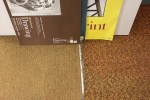
And the wait to pay at the register was upwards of 45 minutes, but worth every second—not just for the incredible 75% discount, but for the time it provided to reflect on just how many visits I’d made to this wonderful store over the years. Even the carpet—that old, patchwork of mixed fabrics—caught my eye and brought back memories.

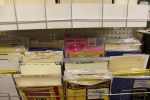
While standing in line, it was fitting that I noticed a few remaining watercolor sets—much like the little sets my parents first bought for me back in the late 1970s and early 80s, which undoubtedly fueled my early artistic ambitions. Of course, it would eventually be this very store that provided everything I’d need for drawing and painting, including the tons of supplies I required during my time at the Corcoran College of Art + Design.

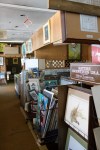
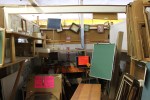
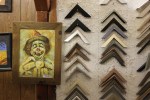
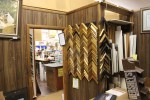
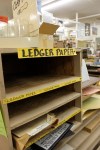
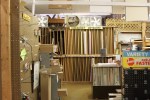
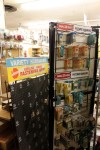
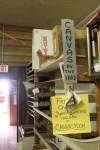
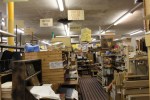
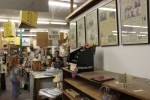
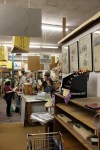
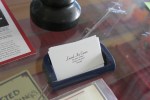
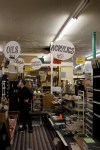
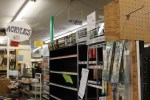
The Laurel Art Center has honestly been a key part of my life for as long as I can remember. From my early childhood love of drawing and painting, to my college and professional career as a graphic designer, and even today as a casual historian of all things Laurel. So while I couldn’t pass up the opportunity to stop by on Saturday to make sure I bought every last thing I could (and I did score some fantastic pieces, including some Marian Quinn originals for less than I’d paid for some prints), I knew I wouldn’t be able to properly photograph the store one last time with just my iPhone—not to mention with the crowds of other enthusiastic shoppers milling about. A return trip was in order today with a real camera, for one final walk through in an effort to document the countless details of the old store; to try to convey the experience of browsing through this 10,000 square foot eclectic treasure trove.

Both the inventory and the crowds were sparser, but the unmistakeable ambiance was still there.

(You can also view the complete photo set here on Flickr.)

While photographing each aisle, a vaguely familiar looking gentleman approached—also with a camera. “Looks like we had the same idea today,” he said. And within seconds, I realized that this must be John Floyd, II—the long-time Laurel resident who’s provided not just me, but the Laurel Leader and many others over the years with so many great photos and insight to the town’s history! “John?” I asked. “Rich?” He replied. We’ve been corresponding via email for the past year, but hadn’t had the chance to meet in person until today. Leave it to the Laurel Art Center to create one more memorable moment for me—on its final day, no less.

Such a treat finally meeting John Floyd II, who just happened to be here at the same time!

Main Street certainly won’t be the same without the store, nor will its legions of fans ever forget what it has meant to them over all these years. As one of the youngest members of the Emery family helped bag up my final purchases, (including a Marian Quinn original pen & ink of Petrucci’s and Pal Jack’s Pizza that I got for $18.75—I can’t believe no one else spotted that on the wall before I did) I took one last look at the thank you note on the counter.

No, thank you, Laurel Art Center. For everything.

***

Postscript: One additional print I made sure to buy today was that of The Gallery—the other Emery family-owned art and framing business just one block up on Main Street. Yesterday, I stopped by and spoke with Cathy Emery, who has been pulling double duty handling the fallout from the Art Center’s closing. Since February, The Gallery has been fulfilling orders that were placed through the Art Center. I remarked, half-jokingly, that I hope they aren’t planning on leaving anytime soon. You can imagine my surprise to learn that they were actually planning to do just that—even before the Art Center pulled the plug. Yikes.

While I’d love to hope that The Gallery will persevere and continue the Emery family’s wonderful artistic legacy in Laurel, it sounds as though their time may also be short. Be sure to visit their shop at 344 Main Street for all of your framing needs, and for both originals and reprints of Cathy’s amazing work documenting Laurel’s places past.

Tagged , , , ,

Update: American National Bank Demolition

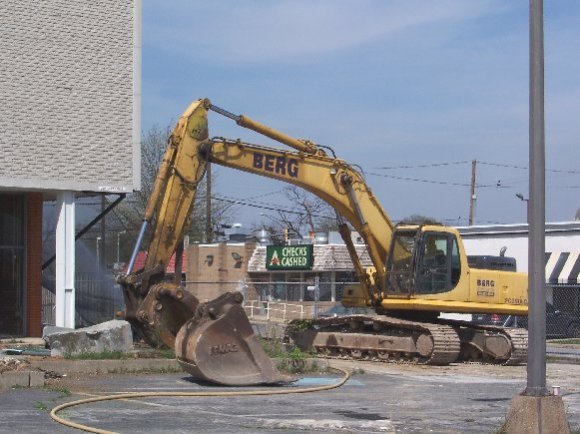
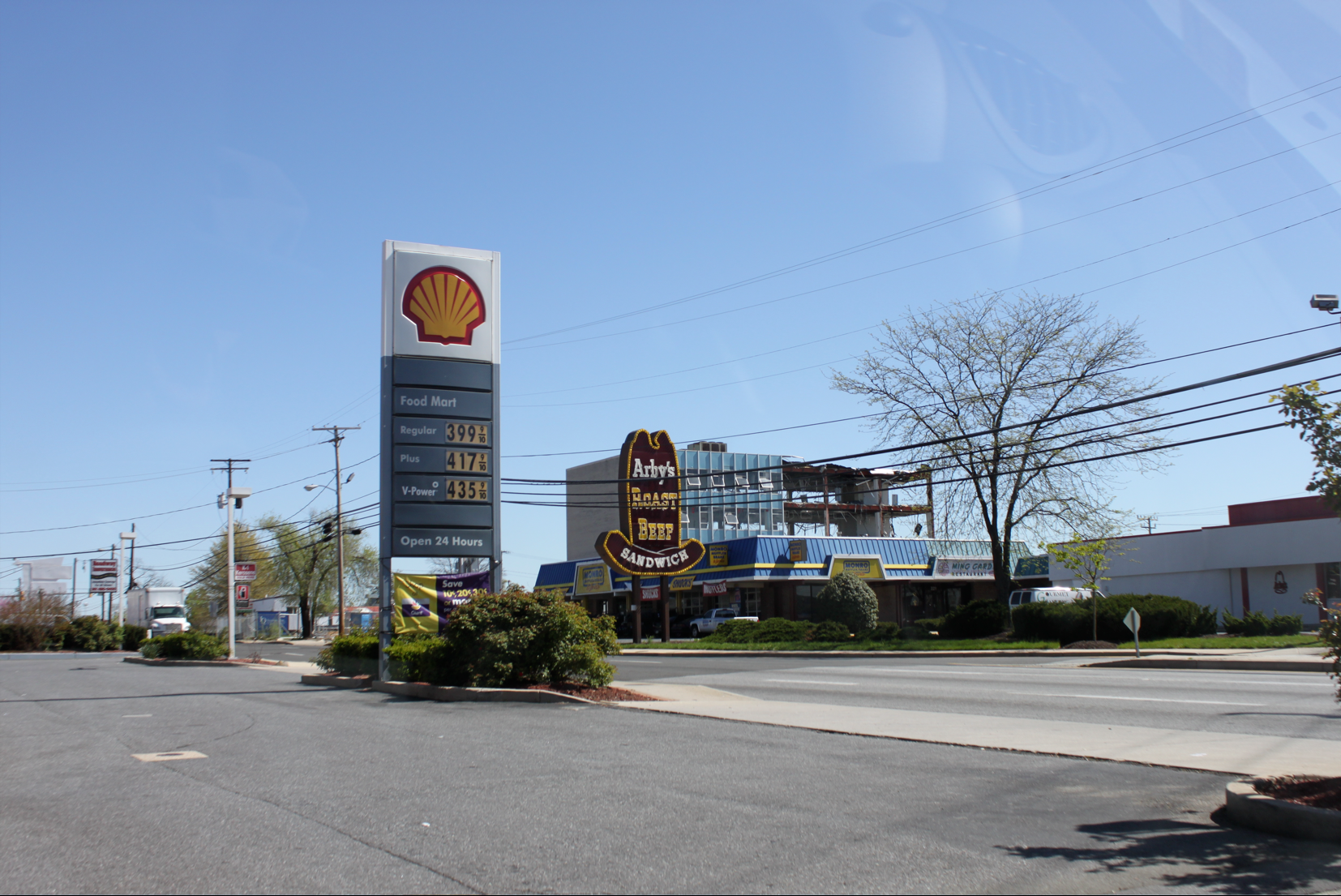
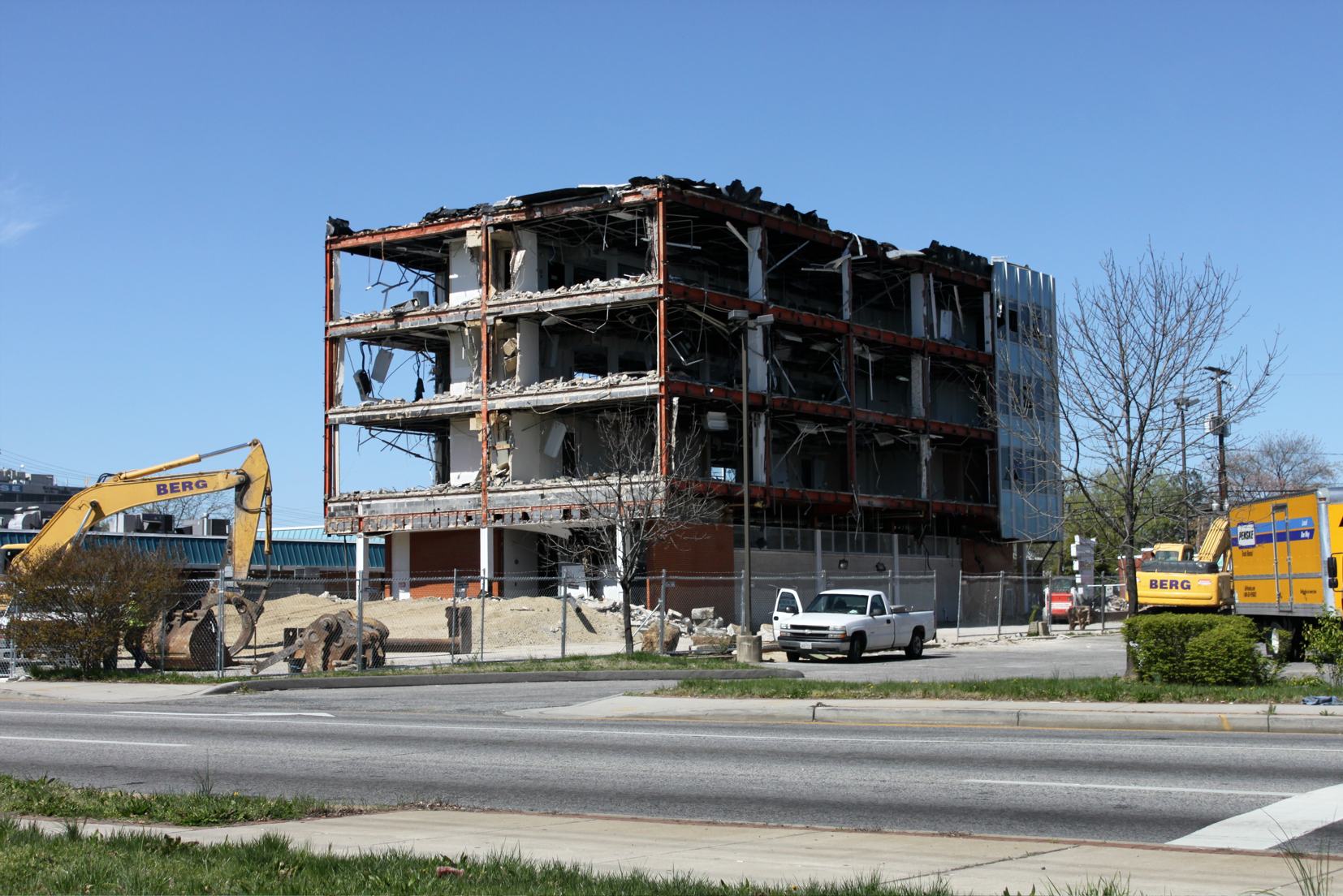
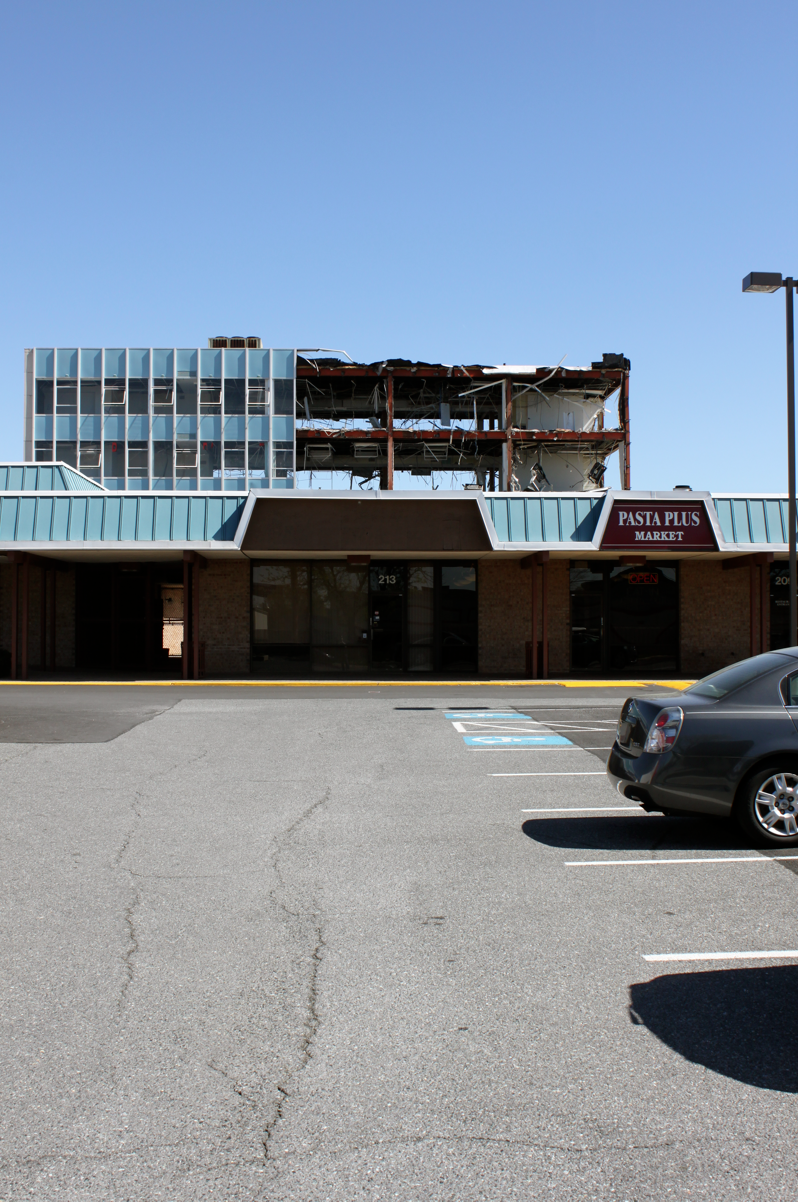
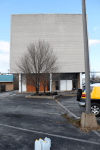
Driving through Laurel this morning, I wasn’t sure if the old blue American National Bank building would still be standing or not. It was, but the view was quite different… I could see through half of it. Although, admittedly, one almost doesn’t even notice the building with those gas prices, but I digress.

I took a few shots from both sides of Rt. 198, and some from the parking lot of Gorman Plaza:

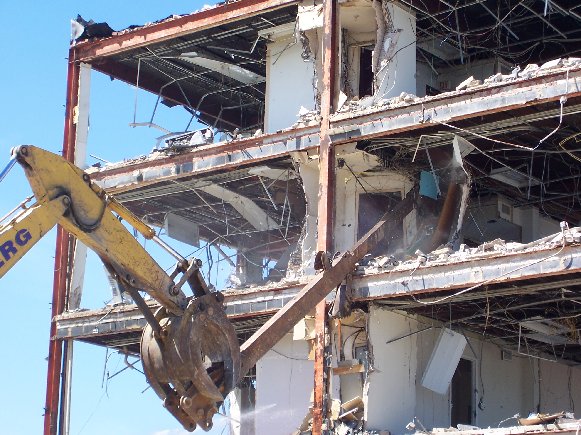
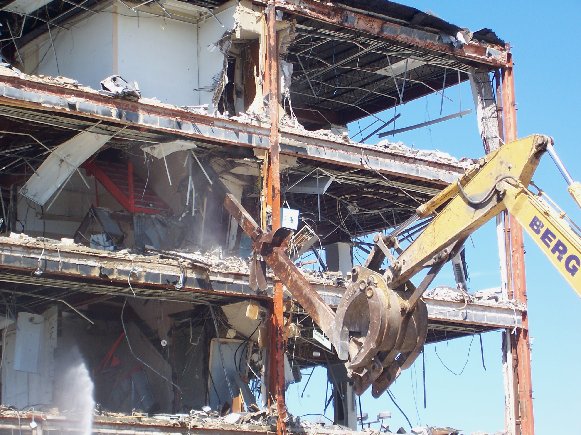
But apparently, my timing was off by just a smidge. My friend John Floyd II visited the site shortly afterward, and while taking photos, he realized that the backhoe excavator driver wasn’t beating around the proverbial bush. John quickly switched to video as he saw the claw begin pulling on the crossbeams. He captured this brief clip, which shows the first significant collapse of the old building:

John spoke with the foreman, who stated that he expects the entire building to be down by this Thursday—if not sooner. John also adds:

“The building housing Mango’s Grill and Cash Express closed yesterday and the next one to be pulled down is Irene’s. A crew from Canova Construction are disconnecting the water and sewer lines and will have to re-configure all the storm drains for the new complex. Two containment ponds will be added right about where Irene’s Restaurant is standing now.”

Many thanks to John for sharing his video, and the following photos:

Video + 5 photos courtesy of John Floyd II
Tagged , , , ,

American National Bank: Demolition Update

The old blue building just north of Gorman Plaza is finally coming down.

Originally the American National Bank building, it’s been vacant and doomed for some time now; but last week, demolition began in earnest—starting from the inside out, apparently. Thanks to John Floyd II for these photos that document the beginning of the end, which will likely happen this week.

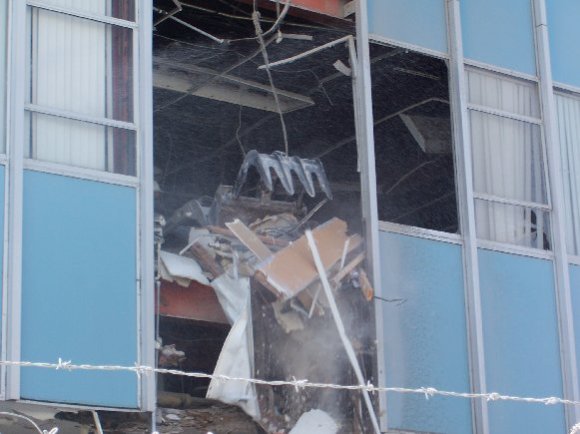
Photos: J. D. Floyd II, Royal Blue Ltd. archives

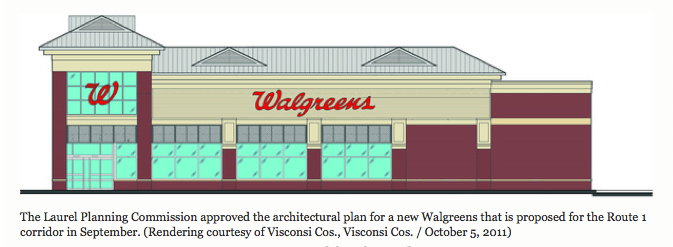
I can’t help but think that in another thirty, maybe fifty years from now, someone will spot a photo of this classic mid-century modern building in one of the Laurel Historical Society’s publications or exhibits (or on an antique roll of Laurel Leader microfilm still languishing in the library’s basement) and wonder, “Wow—why did they ever get rid of that?!” Odds are, the Walgreens that’s slated to take its spot won’t have quite the architectural pedigree.

It’s not only replacing the old blue building, but the rest of the 600 block of Washington Blvd. to its north—which most recently included Irene’s Restaurant (the former Kenny Rogers Roasters and Rustler Steakhouse), Mango’s Grill, and Ace Cash Express (a location that once housed Murry’s Steaks).

Granted, the block has certainly seen better days. In fact, it’s seen better decades. And the new Walgreens will undoubtedly be much more aesthetically pleasing than what passing motorists have been subjected to in recent years. But my real question is this—why was a building like this ever allowed to become an eyesore in the first place? This kind of architecture deserves to be repurposed, not replaced.


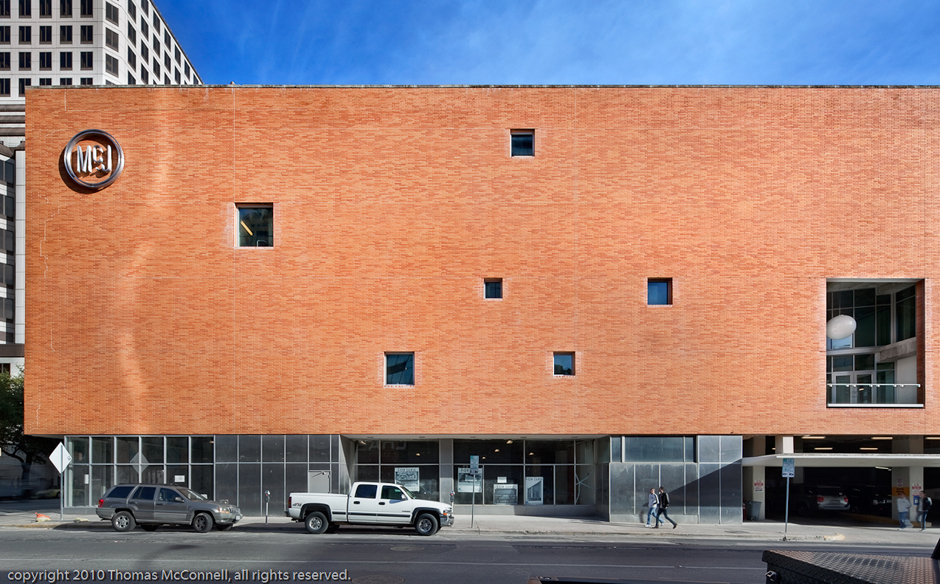
Case Study: The Starr Building, Austin TX
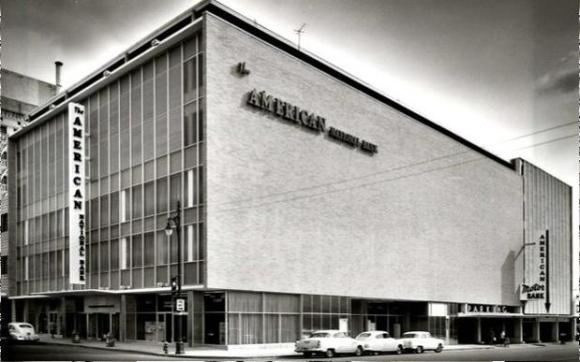
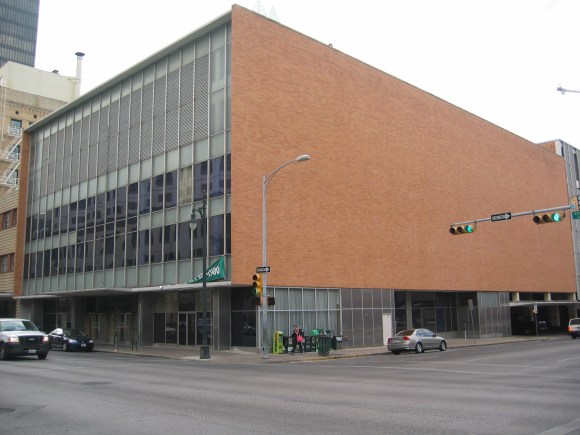
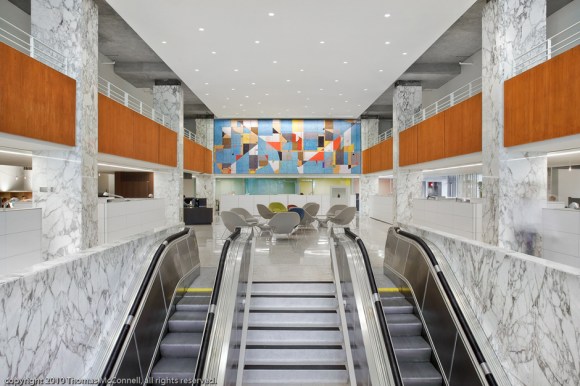
A very similar building in Austin, TX (also originally an American National Bank, coincidentally) recently survived a proposed demolition and is now enjoying a fitting new life as an ad agency.

A Texas preservation society recognized the The Starr Building’s architectural significance and promise, and added it to an endangered list in 2009. Later that year, Austin-based Kemp Properties purchased the building, and advertising firm McGarrah Jessee signed on as its lead tenant. It was a perfect match if there ever was one—and the ad agency literally built their own brand around the building, which clearly inspires them:

McGarrah Jessee absolutely showcases the building on its website, as it should. They include a fascinating video piece highlighting its unlikely history… an arc that could just as easily have applied to Laurel’s old American National Bank building, had the right minds been in place.

A slide in the video reads:

“Kemp Properties and McGarrah Jessee were among the few suitors who recognized that great bones lay beneath the carpet and cubicles. They had a vision that the building could be restored and rehabilitated—that it could make the same kind of statement in 2010 as it did in 1954.”

And it has. Kudos to all involved.

***

When I first heard of plans to demolish the Laurel building (and that entire block) for a Walgreens, I wasn’t surprised. But it made me wonder why the city of Laurel (or Prince George’s County, or even the state of Maryland, for that matter) apparently never considered stepping in when the building began to slide into decline—over ten years ago.

At a time when the city itself was outgrowing its own municipal buildings, did no one see the potential that lay within this distinctive blue building in the center of town—one of just a few spacious, vertical structures in the city limits?

At some point during its decline, you think the city would’ve at least considered how they might have been able to capitalize on preserving it. With a proper facelift, it could’ve been any number of municipal buildings to be proud of. Think of the facilities that were already outgrowing their original spaces: the library (even after a costly expansion in 1992) and the police department immediately come to mind. The old blue building could’ve accommodated either, and made a bold architectural preservation statement in the process.

Ironically, one of the locations considered for this latest library expansion was the former Laurel Police headquarters off of Main Street—which the police department itself had outgrown. (Coincidentally, I hear they’re also planning to demolish that soon, as well. Stay tuned.)

Getting back to the Starr Building comparison for a moment, perhaps you were wondering why it was called “the Starr Building”. Perhaps not, but just humor me for another couple paragraphs or so. There are just a few more parallels worth noting.

After the American National Bank failed in the 1990s, the State of Texas took over the building and made it the headquarters of the State Comptroller of Public Accounts. They christened it the Starr Building after James Harper Starr—physician, treasurer of the Republic of Texas, Land Commissioner, and banker. Then they did what most government agencies do to government buildings—they filled it with cubicles and bad carpet. But it got even worse. In 2005, the Comptroller’s Office moved out and gave control to the state’s General Land Office—who allowed it to sit vacant for the next four years, coming dangerously close to demolition. Interest in the building came and went; with most of the proposals involving tearing the building down and putting up something new.

Sound familiar?

Laurel isn’t exactly Madison Avenue, of course—it’s an unlikely locale for a top-level advertising agency to base its headquarters. It’s not Austin, Texas, either. And to be fair, the state of Texas didn’t do a great job stewarding the Starr Building itself. It took a preservation society and visionary developers to recognize the potential in salvaging that building.

But couldn’t Laurel’s own mid-century modern American National Bank building have been converted to something, other than a decaying eyesore? Something that could’ve inspired new tenants, rather than hinder them with repair costs and tax burdens? Did it really have to reach the point to where we’d read a quote like this from the city’s own longtime planner:

“I’m excited about getting that blue (office) building down, which was in bankruptcy,” Laurel Economic Director Karl Brendle said. “This is going to be great.”

There was a time when the city of Laurel was proud of that building, and of itself.
Tagged , , , , , ,

Arbitron

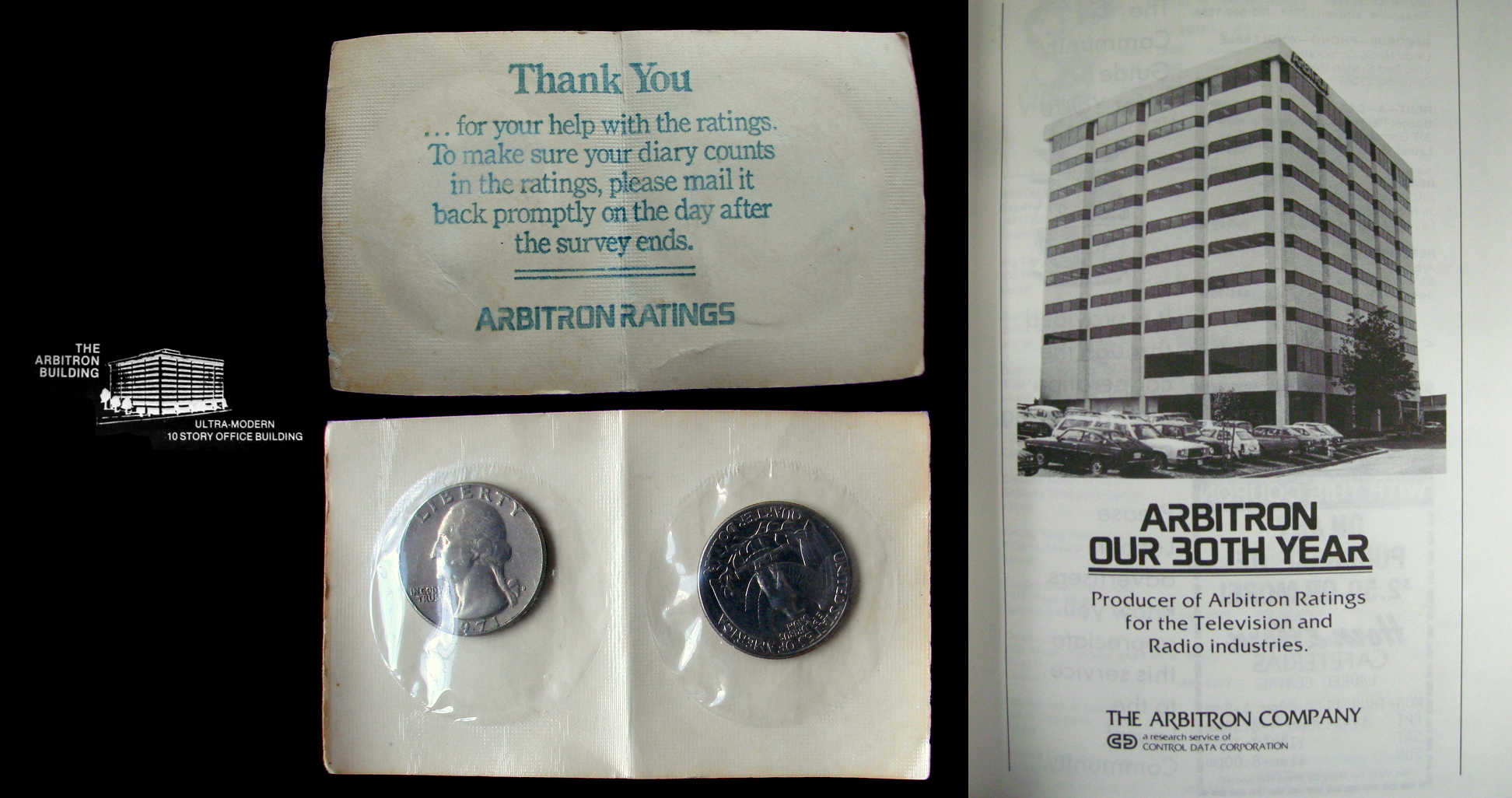
Remember when The Arbitron Building actually housed… Arbitron?

Tagged , ,

IHOP’s Big Boy?

The end of Laurel's original IHOP, 1995. (Photo courtesy of Eric Ziegler)

As a kid, I walked from Steward Manor to the mall at least once a week. Under the railroad overpass on Bowie Road, up past the Fair Lanes bowling alley on Marshall Avenue, and on beyond the Ponderosa/Sizzler Steakhouse before crossing Route 1—cutting through the Bob’s Big Boy parking lot along the way.

Then, upon entering the Laurel Shopping Center grounds, I’d find myself beside the tall, imposing A-frame structure with the blue roof—the International House of Pancakes.

A 1970s postcard featuring an out of state, but remarkably similar setting.

Laurel’s IHOP was originally located in the iconic building for which it was designed, and situated just beside what was originally the Hecht Co. building (then Woolco, and then Jamesway…and soon to be L.A. Fitness). It occupied the space now being used by the extended strip mall parallel to Washington Blvd. In fact, when you go to that Starbucks and await your beverage,  you’ll be standing approximately where you once would’ve been eating pancakes. The entire left side of this shopping center (including Starbucks and Petco) sits on what was originally the IHOP grounds; as throughout the 1980s, only Radio Shack, Long & Foster Real Estate, and the Grecian Spa were housed there. Amazingly, Radio Shack is still in that same location on the corner beside Marshall Ave.

(historicaerials.com)

In the summer of 1993, an unusual move took place. IHOP decided to leave its building, and move into a slightly larger one just across Washington Blvd.—in the building that had recently been vacated by Bob’s Big Boy—where it continues to operate today.

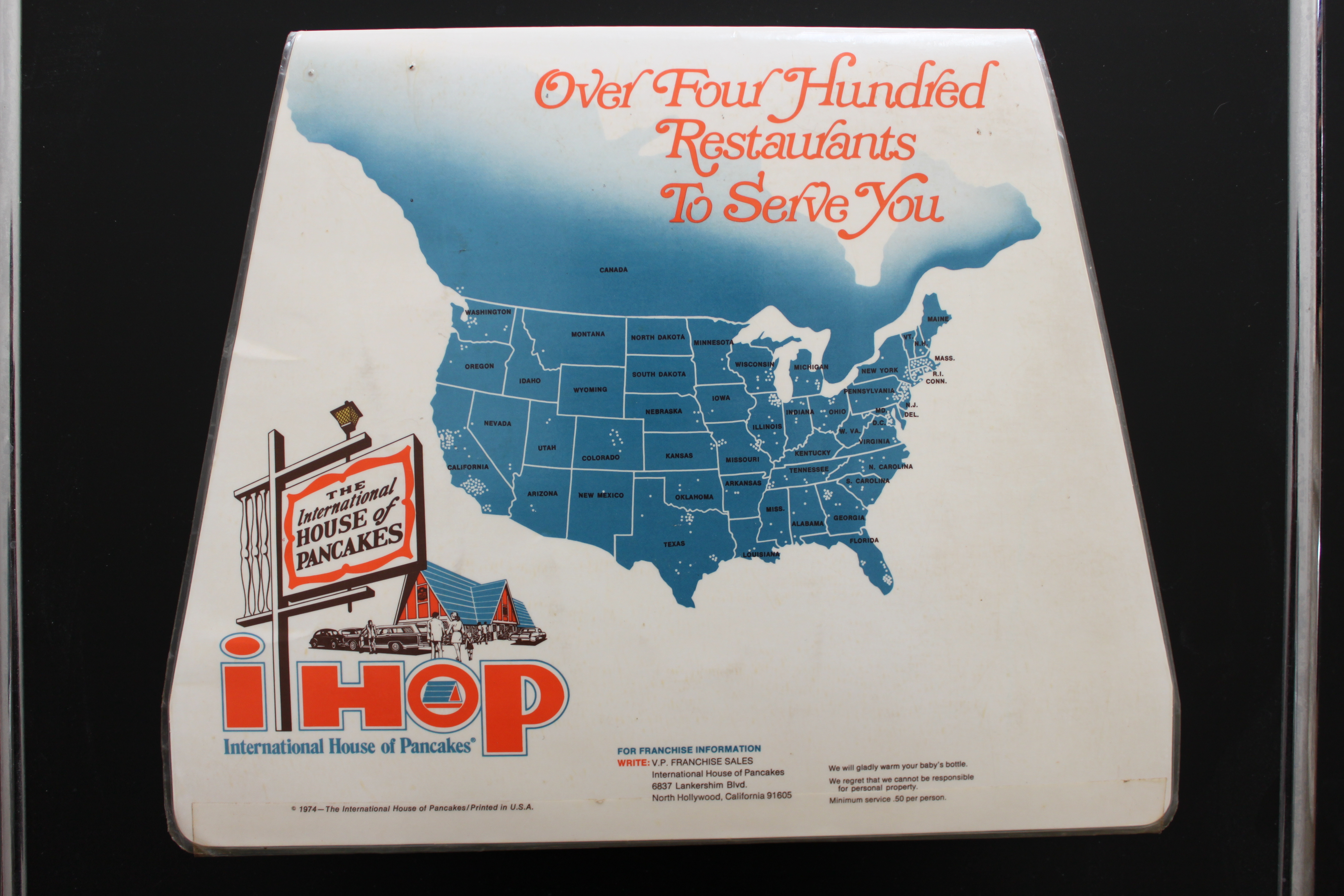
But while highly successful, today’s modern IHOP doesn’t have nearly the same nostalgic aura that it had in the old building. Case in point, here are a few vintage pieces that represent that era quite well—including an actual menu from 1974 that will totally have you craving pancakes.

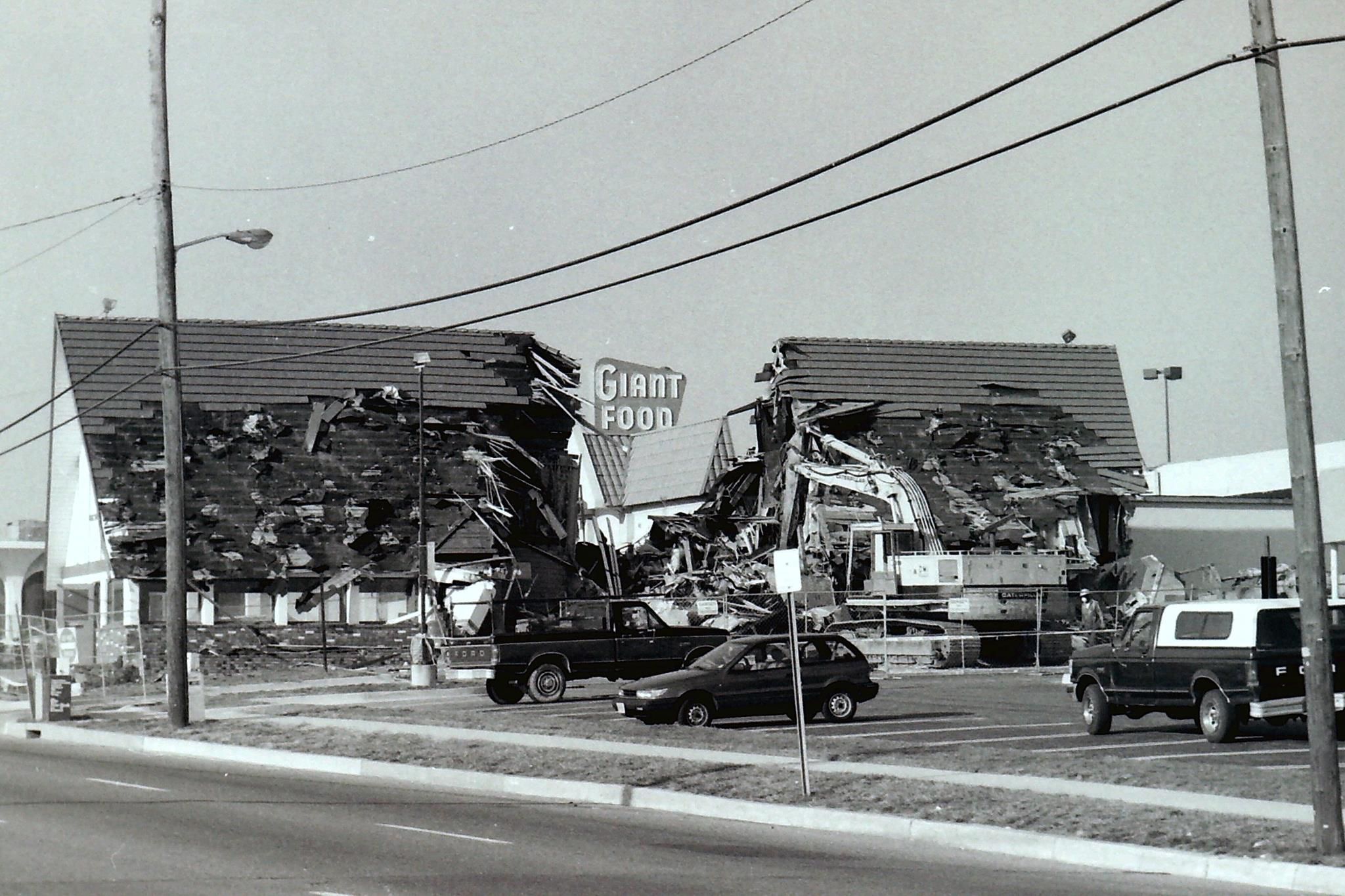
Before the building was demolished in 1995, it briefly saw new life as a Christmas decoration shop called “Santa’s Cottage”. The most notable change was the roof, which went from IHOP blue to Santa red. Still, passersby continued to mistake the building for what it originally was. According to a November 21, 1993 Washington Post article written by popular Laurel Leader columnist, Tony Glaros, “the old place still attracts creatures of habit in search of oatmeal, not ornaments.” Santa’s Cottage manager Carter Hoyle added, “It took about a month and a half to get the pancake smell out of here.”

For many Laurelites, myself included, there will always remain a connection between IHOP and Bob’s Big Boy. I can’t think of one without remembering the other. I’m sure there are other former Bob’s Big Boy locations that were eventually taken over by IHOP, but I don’t believe it was a universal change. So it was rather ironic—yet quite fitting—to come across an eBay listing for these vintage glasses, being sold as a pair. I doubt the auction will last until Christmas, but if it does, perhaps I’ll ask Santa for them—thus completing the trifecta.

Tagged , , , , , , , , , , ,

Fotomat

Photo: John Floyd II

This 1973 photo of Laurel Shopping Center shows a Maryland State Police medivac helicopter on the scene near what was at the time the Hecht Co. parking lot. In the distance is the iconic Giant Food sign (which still stands), and the massive movie screen from Wineland’s Drive-In (which closed in 1984). But if you look closely, you’ll spot another familiar building—albeit a tiny one. Here’s another hint: its yellow roof almost matches the helicopter.

Yes, despite the flurry of police and medical activity in the picture, we’re going to focus instead on that tiny little building that sits just below the Giant Food sign. The Fotomat.

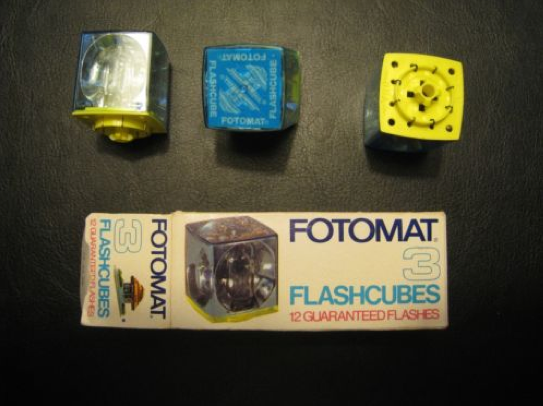
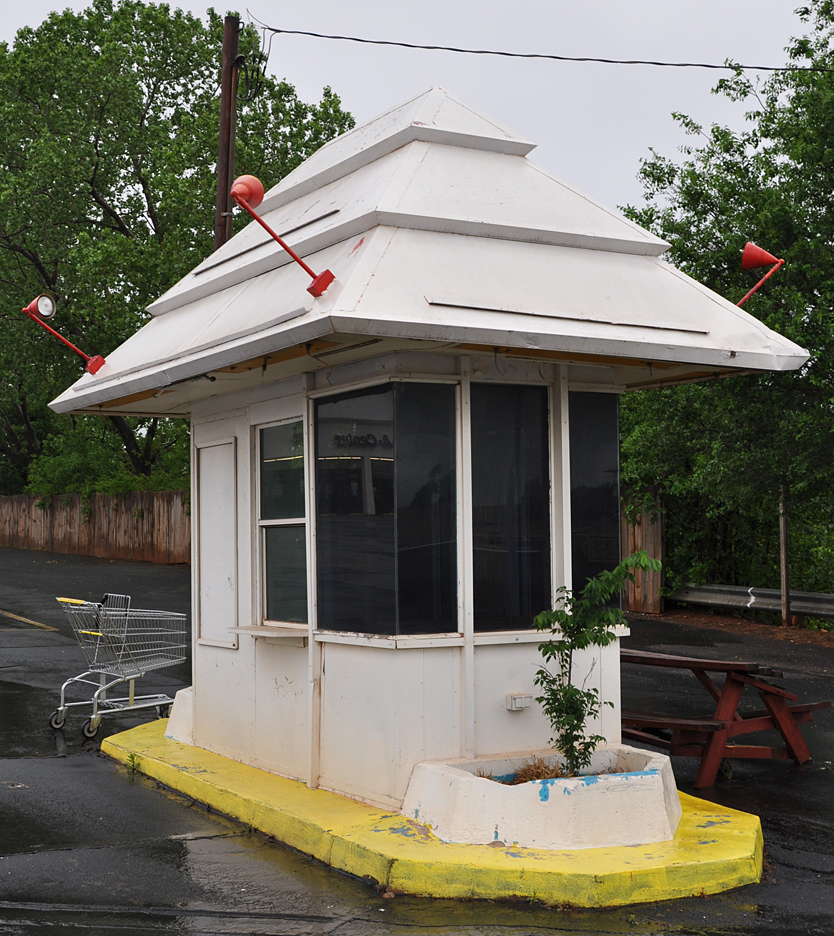
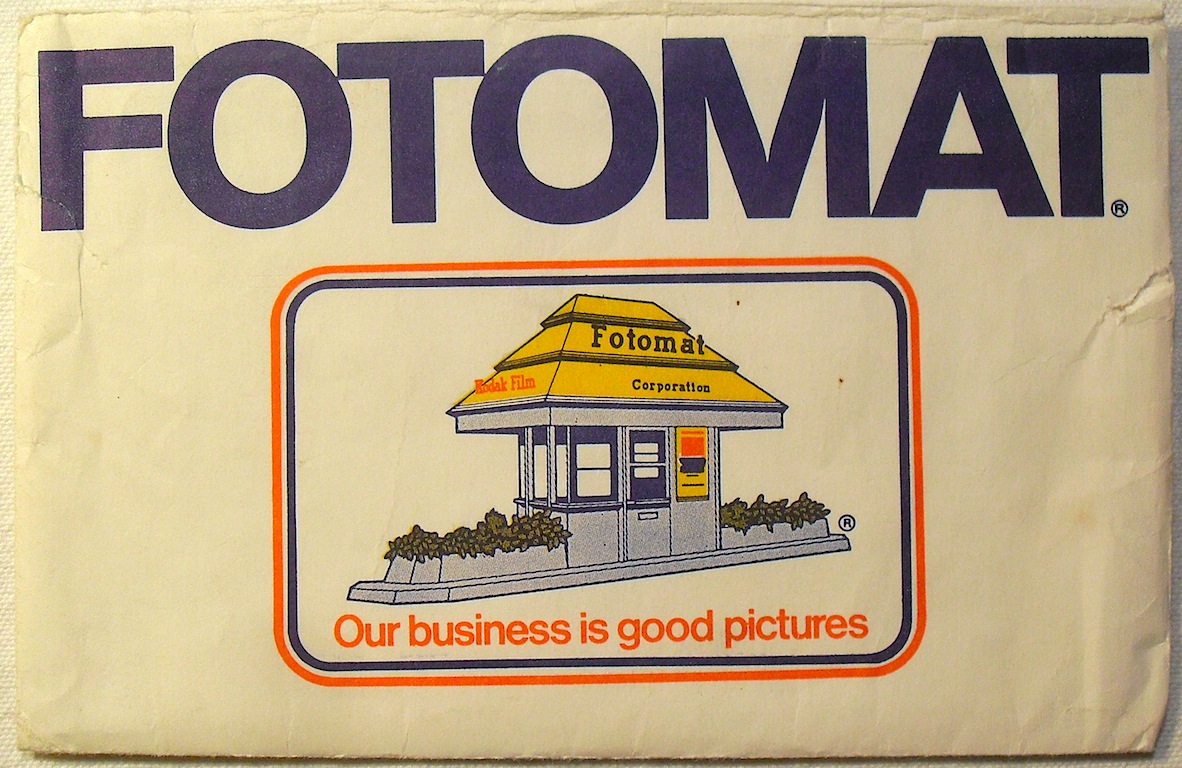
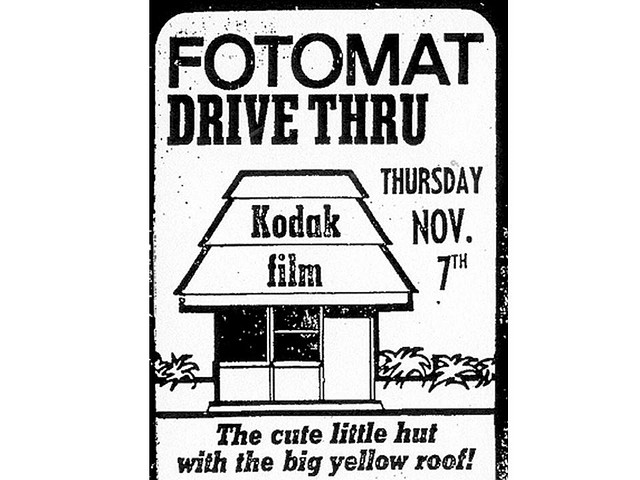
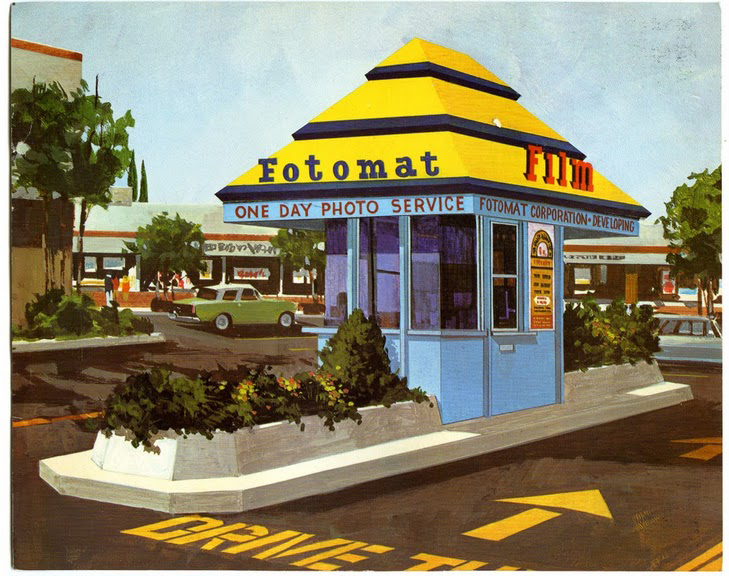
Laurel had two Fotomats that I can recall: this one in Laurel Shopping Center, and another in Montpelier Shopping Center. Fotomat buildings (if you can call the tiny structures “buildings”) were nearly identical across the country; a trait that was brilliantly incorporated into their brand. I was always rather fond of those buildings, and to a child, it somehow seemed a bit more exciting to drop our film off there for processing… as opposed to the dreary pharmacy counter at the back of the Dart Drug. The concept of a drive-thru photo place—which also sold film, batteries, and other camera needs—still seems awesome. But even as a kid, I imagined that working at a Fotomat must have been a special kind of hell—especially during the sweltering Maryland summers.

Fotomat was a pioneer in rush-processing, and became massively popular by offering one-day turnaround, which had previously seemed unheard of. Unfortunately, by the mid-1980s, the competition had caught up and passed them by—with one-hour turnaround. Soon thereafter, abandoned Fotomats could be spotted more often than operational ones. Some were briefly turned into mini ice cream stands, coffee shops, locksmiths, and who knows what else—but most were simply left to wither away.
Photo: Wikipedia

Photo: Roadsidenut (WordPress.com)

Photo: muledriver (Flickr)

Still, whenever I look at photos of Laurel from the early 80s, I often wonder about where they might have been processed. Undoubtedly, many of them came from Fotomat—maybe even this one.

Photo: gatsbyiris (Flickr)

Photo: Christian Montone (Flickr)

Photo: photoslipdesigns.blogspot.com

Tagged , , ,

Signs of the Times: Disappearing Neon of Route 1

Route 1 has seen a change or two over the past century, hasn’t it?

The black and white photos above are from the Laurel, Maryland Centennial Souvenir Historical Booklet (1970), and show what—for most of us who grew up in Laurel in the last quarter of the 20th century—is a very familiar scene from 1970. However, the current street view is almost as unrecognizable as the sparse 1907 tableau.

There probably isn’t another stretch of road in Laurel that was more densely populated with over-sized neon signage than this particular corridor; and slowly but surely, they’re disappearing from the landscape. A savvy photographer (with the right telephoto lens) might have been able to capture quite a few of them in a single shot from the right vantage point. At one time—within less than half a mile from each other—one could see not only the Tastee-Freez/Big T and Texaco signs shown above—but those of Arby’s, Giant, and the Laurel Cinema marquee.

Photo: Maryland Route 5 (Flickr)

Photo: Maryland Route 5 (Flickr)

photo: apricotX (Flickr)

The Arby’s and Giant signs are still fully functional, and both are fortunately still open for business. While the Laurel Cinema marquee is technically still standing, it’s in poor shape—and with the movie theater officially closed (again), it’s probably only a matter of time before the old sign is finally torn down.

One interesting detail I noticed in the 1970 shot is the wording of “Big Tee Burgers”. At some point after, it had been skillfully modified to read “Big T Family Restaurant”, as it remained until its ultimate demise.

Photo: stgermh (Flickr)

Another reader noted that the road doesn’t appear to have been widened much over the years, either. Apparently, somebody reasoned that if it was big enough for all those neon giants, it’d be big enough for whatever vehicular traffic might pass through.

Tagged , , , , , , , ,

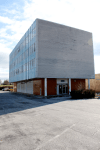
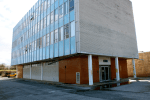
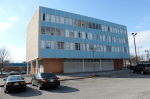
Dead Building Walking: The American National Bank

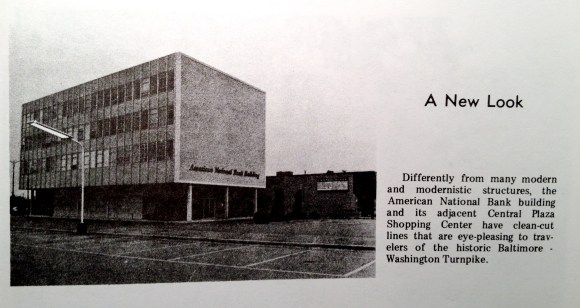
Recreating a photo from the 1970 Laurel, Maryland Centennial Historical Souvenir Booklet

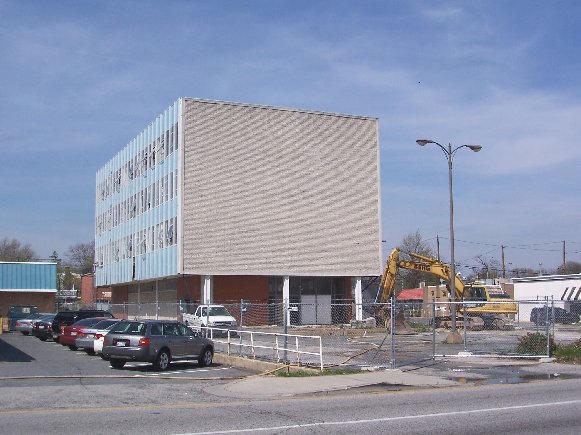
For all the years I lived in Laurel—and for several years before and since—a unique mid-century modern 4-story building has sat between Rt. 1 north and south, at the intersection of Rt. 198. Over the course of those years, it had been a number of different banks, along with various upstairs offices. It was originally the American National Bank Building, and it was a highly-touted architectural addition to Laurel in the early 1960s.

Some remember it as “the big blue flashbulb building”, hinting at its resemblance.

But others simply remember it. Even if, like me, you’ve never been inside the building, you remember its presence in that location—visible from up and down Rt. 1, and when approaching from either direction on Rt. 198. It was just there, and it’s going to look and feel decidedly different when it’s not.

I’d love to know more about its background, but there’s not a lot of readily available material to be found. If you have any specific information, please share!

A quick Google search of “American National Bank Building” will reveal a couple of noticeably comparable styles. Admittedly, I know very little about the architectural origins and history of any of these buildings, but look at the aesthetic similarity of these larger structures—both of which also happened to be American National Banks. The one in Austin, TX, which opened in 1954, was designed by the Austin-based firm of Kuehne, Brooks and Barr. This building made it to the Preservation Texas 2009 list of most endangered places in the state. Clearly, somebody in Texas recognized the value in preserving that building, and made it happen.

I also came across an old postcard, featuring an even taller model from nearby Silver Spring, MD. Unfortunately, I couldn’t find any accompanying details on its story or what’s become of that one.

American National Bank/Starr Building, Austin, TX. (Photo: texdraft.wordpress.com)

Vintage picture postcard of the American National Bank Building, Silver Spring, MD. (Photo: silverspringsingular.com)

The question (for any architectural scholars and/or generally curious folk out there) is whether these buildings were actually related—were they designed by the same firms, influenced by them, or was it just a mere stylistic coincidence?

It might be a moot point now, as Laurel’s old American National Bank Building is living on borrowed time.

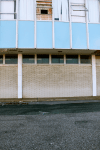
I’d heard that it’s going to be demolished very soon; with a Walgreen’s, of all things, slated to replace it. The old building had apparently sat empty for quite some time—a literal shell of what was once the town’s premier architectural landmark. Falling into disrepair, it has since been condemned; it now sits awaiting its fate with broken and boarded-up windows, padlocked doors, and crumbling plaster. It actually looks like it might fall in on itself before the wrecking ball even touches it, sadly.

I visited it in late December 2011 and early January 2012 and took the photos below. I’ll be sure to get some photos of the actual demolition itself when it finally occurs, and the subsequent construction of the new Walgreen’s.

Somehow, I doubt anyone will be writing about the Walgreen’s some 40 years from now, but I guess time will tell.

Tagged , , , , , ,

What the Hecht’s?!

And speaking of Hecht’s, here’s a great find from The Department Store Museum: an architectural rendering of the actual 84,000 square-foot Hecht Co. building at Laurel Shopping Center!

Also, one of our Facebook friends submitted a Polaroid photo taken as construction was nearly finished:

Photo: Tom Baker

The building was originally designed specifically for Hecht’s, and was one of only 11 branch stores in the Washington, DC area. Hecht’s relocated with the advent of Laurel Centre Mall, where it would become one of the anchor stores for more than a decade (ultimately becoming Macy’s—which is surprisingly still open in what’s left of the mall). Meanwhile, the original building at Baltimore Ave & Montrose St. would go on to see new life as Jamesway and Toys R Us, among other things.

As of this writing, it’s sadly being gutted… and turned into an L.A. Fitness center.

Logo, 1960s–70s

Logo, 1980s–2000s

Tagged , , ,